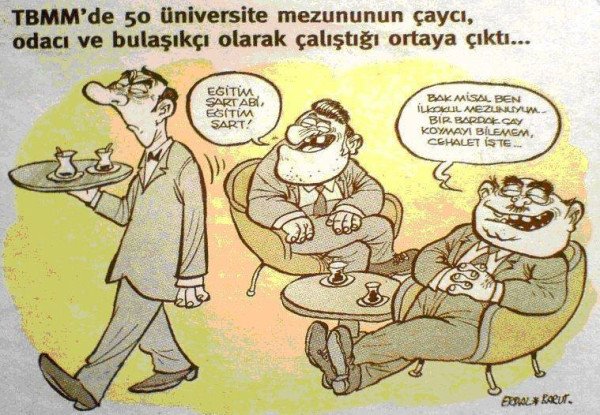
CEHALET
FATİH SULTAN MEHMET VE AYOVA
Fatih Sultan Mehmet beş lisanı akıcı olarak konuşur, “Avni” mahlâsı ile de şiirler yazar idi.
“Avniyâ, gerçi ölüm dünyede müşkil işdür
Gamze-i dilber ile biz ânı âsân iderüz”
Avnî (Fatih Sultan Mehmet)
(Meali: Ey Avnî , ölüm dünyada güç bir iştir, lâkin güzelin gamzesi ile biz onu kolaylaştırıveririz) (âsân=kolay)
Bazı arkadaşlarımızın oraya buraya seğirtip nutuk yarışına girdikleri şu sıralar, madem yeri gelmiştir, yıllar önce önce başımıza gelmiş gülmeye müstehak bir fıkrayı anlatsam gerek.
Yirmi sene kadar oluyor ; Ayova (Iowa) Üniversitesi’nin pediatri hematolojisi kemik iliği nakil bölümünde iş bulma amacıyla, Ayova (Iowa) eyaletinin, tilkinin bakır sıçtığı bir kenti olan Ayova Siti’ye (Iowa City) gelmiş idik. Kızıl derililer, haliyle,Türk asıllı (!) :) olduklarından, buraya “Ay Ova” demişlerse de “sonradan gelen gâvurlar, hâliyle Türk düşmanı olduklarından :) , bu ismi “Iowa”‘ya çevirmişlerdir” diye de efkâr (fikirler) yürütmüş idik. Ziyaret tasarımızda en önce, kargaların dışkı yemelerinin öncesine alınmış olan fakirin “Lösemi” başlıklı dersi, takiben de hastane turu ve mülâkatlar bulunmakta ki, yaman heyecanlanmakta idik.
Akşam ezan vakti bizi konuk evine aldılar. Ferdâsı (ertesi) sabah bir de görelim ki ,amanın her yanı rezil bir kar sarmış ki, ümüğümüze değin kara batarak ve de kolumuz altında kaygan (“slide”) resim gösterme halkasını taşıyaraktan hastaneye olan yüz metrelik mesafeyi yürüyüp ders anlatacağımız opera salonu misali koca salona gelip sahneye çıkmış idik.
Lakin koca salonda hiç kimse bulunmamasına karşın, katiyyen dert edinmeyip, kaygan resim göstericisini de bir güzelce kurup hazırlamış idik.
Vakti saati gelince ise, “Heyvah kimsecikler gelmeyecek nutkumuzu dinlemeye” dememize kalmamış, arka kapudan zarif bir âdem sökün etmiş, gelip en ön sıraya da oturuvermesiyle, bu âdemi gözümüz bir yerden ısırsa da, “Yok artık !!..daha neler” deyip, buranın üniversite muallimlerinden biridir zâhir diye kıyas etmiş idik.

Zarif âdemdir, “bu havada hiç kimse gelmez, sen başla gitsin” anlamına, “If you wish you may start” diyerekten işmar edince, sular seller gibi ezberimize aldığımız nutku tam bir saat boyunca bir güzelce irâd etmiş idik.
Konuşmamızın bitiminde, tek dinleyenimiz olan bu zarif âdemcağız zıplayaraktan ayağa dikilip, tabançalarını (avuçlarını) yek diğerine çarptıraraktan bu hakîre avazı çıktığınca “Bravo !! Bravo” nidalerı atarak bir alkış tutsun… Konuşmamız çok beğenildi besbelli diyerekten sırıtmaktayız. Muhabbetimizden gözlerimiz yaşararaktan resimlerimizi toparlayıp salonun çıkışına doğru yürümeye başladığımızda ise, zarif âdemdir ayağa kalkıp önümüzü kesmesiyle yüzü kıpkızıl olup, derhal lehçesi bozulmuş, fakirin yüzüne doğru işaret parmağını sallayaraktan, “ Nereye gitmektesin bakalım !?” diye sual etmiş, fakir ise korkudan lebimiz (dudağımız) uçuklamış, gövdemiz titreyerekten cavaba ayâz edip , “Konuşmamız sona erdi, hastaneye gitmekteyiz” dediğimizde ise, ol âdemin imlâsı ve zarâfeti derhal bozulup, “Hööst beyim !.. hiç bir yere gidebilemezsin… otur bakalımdı şuraya…Zîra ki senden sonraki konuşmacı benim” diyesi var.
Kolunuzu “Heil Hitler” el peşreviyle semâya (gök yüzüne) uzattığınızda, serçe kuşu parmağızın tırnağının eni, semâda 1 derecelik mesafeyi ölçer.
Akşam 10:00 sularında yüzünüzü kuzey batı yönüne çevirip “Büyük ayı”yı bulup, saniyen sol yumruğunuz ile Che Guevera misâli ayımızın kepçesini kapayıp, sâlisen de kepçe sapının “Alkaid” tesmiye (isimlendirilmiş) birinci yıldızından başlayarak 3 tırnak boyu güney-batı yönünde aşağıya inerseniz…, heyhât hiç birşey göremezsiniz.
Lâkin, güzelce bir dürbünle tam burada “M51” ya da “Whirlpool galaxy” tesmiye yıldız adasını görürsünüz ki amanın dikkat etmez iseniz, hayretinizden uvulanızı (küçük dilinizi) “gurppadanak” yutma tehlikesi vardır..
Gözleriniz hep yükseklerde olsun,
Sırıtaraktan,
Hakîr-i pür taksir,
Dr. Timur Sümer


M51 : Fakirin 24 CM’lik TELESKOPUYLA

M51 : Arkadaşım Kiresci’nin 35 CM’lik TELESKOPUYLA
Bu yazıya sevgili arkadaşım Dr. Yücel Tanyeri’nin naziresi için tıklayınız : https://yucel-tanyeri.blogspot.com/2025/11/evliya-celebi-ve-hekim-timur.html?m=1
Oct 13th 2012 | ABUJA AND WASHINGTON, DC | from the print edition

PATIENTS expect drugs to be safe. But even in supposedly well-run health systems, they can be useless—or deadly. Tainted steroids from a compounding pharmacy (one which mixes its own drugs) near Boston had killed 11 people with fungal meningitis and sickened more than 100 as of October 10th. A contaminated blood thinner, heparin, was linked to 149 American deaths in 2007-08. This year it emerged that some vials of the cancer medicine Avastin contained no active ingredient.
No one knows exactly what share of medicines are fake, ill-made, stolen or diverted. But bad pharma is a global problem, which national drug-safety agencies are struggling to contain. It particularly afflicts countries where officials are bribable, health systems lax and consumers desperate. In Nigeria, Africa’s largest market for medicines, a survey by the World Health Organisation (WHO) in 2011 found that 64% of antimalarial drugs were fake. Over 70% of drugs consumed in Nigeria are imported from India and China, widely seen as the biggest source of fakes. Paul Orhii, of Nigeria’s drug agency, blames “a shambolic system and porous borders”.
Salesmen have peddled worthless cures for millennia. But the 21st century is turning into a golden age for bad drugs. In Boston, the fungal meningitis spread because of poor oversight. Price pressure encourages even well-intentioned drugmakers to cut corners. For criminals, fake pharma is lucrative and the penalties are usually low. Indeed, the drug supply-chain is a cheat’s paradise.
Raw materials come from one place and are processed into active ingredients in another. Pill-fillers and coating come from other sources. Manufacturing and packaging may be separate. To reach the dispensary, the drug passes through distribution chains (and may be repackaged). In America 80% of drugs’ active ingredients come from abroad (drug imports there more than doubled from 2002 to 2010, accounting for 40% of finished medicine).
This creates a regulatory nightmare. In the heparin case Chinese suppliers replaced the main ingredient with a cheaper, dangerous substance that still passed authentication tests. The fake Avastin apparently hopped from Turkey to Britain to America, with help from a Canadian online pharmacy. Do-gooding attempts may backfire, too. The WHO has a “prequalification” scheme that authorises cheap, good drugs for aid programmes. But Roger Bate of the American Enterprise Institute, in a paper published in July, found that 7% of such drugs in his sample failed.
Attempts abound to stem the scourge. The latest raids in Operation Pangea (an international police campaign against illegal online pharmacies) involved 100 countries and shut down more than 18,000 online pill-pushers. But such pharmacies are not necessarily the villains: they often sell real drugs (at low prices); and many fakes are on sale from reputable offline outlets.
Some poor countries think that rich ones simply want an excuse to bust their generic drug industries. Rows about the definition of “counterfeit” have crippled the WHO’s International Medical Products Anti-Counterfeiting Taskforce, or IMPACT, launched in 2006. Now new working groups are mulling the meaning of SFFC (“spurious/falsely-labelled/falsified/counterfeit”) drugs. It may add another “S” for “substandard”. Pirates are not trembling.
Most other international efforts are moving slowly, says Mr Bate, author of a book called “Phake”. To punish counterfeiters more harshly and speed information-sharing, 18 European countries signed the Medicrime convention in 2011. But only Ukraine has ratified it. The G8 group of rich countries published a wordy declaration in May, but has done little since.
For years governments and companies have talked about “track-and-trace” systems to identify and authenticate medicines. Though the technology exists, countries cannot agree what to use. Different firms hawk their own schemes; regulators disagree about what should be tracked.
My pills, not yours
So individual states are taking their own steps. Nigeria has spearheaded an impressive counterattack, which by some counts has brought the share of fake medicines down from around half to a tenth in five years. One means is TruScan, a cheap hand-held spectroscope that allows officials to spot fakes at the point of import (America, Germany, Sweden and Canada now use this, too). Nigeria has also deployed a scratch-off label system, in which users text the revealed code from their phones to verify the product before consuming it. But the scheme is voluntary and so far only a few firms are using it.
China, concerned for the reputation of its drug-export trade, has staged big seizures of fakes (detaining nearly 2,000 people in August). It executed its top drug official in 2007 for approving untested medicine in exchange for bribes. India has commissioned feasibility studies of track-and-trace technology from Wipro, a software and services giant. The government talks of better manufacturing standards, but exhortation has yet to lead to action.
America’s Food and Drug Administration (FDA), the world’s biggest drug-safety agency, has steadily reached beyond the country’s borders. Since 2008 it has opened offices in China, India, South Africa, Jordan, Mexico, Belgium and other countries. A recent law sets higher penalties for counterfeiters and allocates money for the agency to inspect more factories overseas. But even the FDA admits it cannot police the world’s drug supply alone.
Drug firms often make better enforcement partners than governments do. John Clark, security chief for Pfizer, a pharma giant that makes Viagra, likes to tell a story about a man caught selling fakes who asked an undercover agent first if he was with “the Feds”, then whether he worked for Pfizer. His firm employs former police, investigators and customs officials all over the world. Usually it builds about 80% of a case, then hands it to local law-enforcers.
Yet, as officials fiddle, the problem grows. In January 2009, 81 countries noted counterfeit versions of 20 Pfizer drugs. As of July 2012, 106 had found 60 such fakes. “Counterfeiting is like a balloon filled with water,” says Nigeria’s Mr Orhii. “You push it on one side but when you remove your hand, it bounces back even stronger.”
Before anesthesia, speed was essential to minimizing pain and improving odds of survival.
 Getty Images
Imagine lying on a table in a old-school operating room. Faces stare down at you from the viewing galleries above, and your leg throbs with pain from a broken bone — infection is just starting to set in. The door opens and three men in blood-stiffened aprons walk in, carting a collection of knives and saws. Two of them grab your shoulders and arms and pin you to the table. The third picks out one of the knives from the cart.
“Time me, gentlemen,” he calls out to the gathered spectators. “Time me.”
The man grabs your leg and begins to cut just below the knee. He continues to hold onto your leg as one of his lackeys gets a tourniquet around it. To free his cutting hand, he clasps the bloody knife in his teeth and picks up a saw. He cuts back and forth through the bone, drops the severed leg into a bucket filled with sawdust, and sews you up, to the applause of the men sitting in the wings. As promised they’ve timed the whole procedure — from first incision to clipping the loose threads on the sutures — at just two and a half minutes.
The man who just flew through your amputation with apparent reckless abandon was Dr. Robert Liston, one of the finest surgeons of the time.
Dr. Richard Gordon, a surgeon and medical historian, calls Liston the “fastest knife in the West End.” His style may have seemed careless, but in the age before anesthesia, speed was essential to minimizing the patient’s pain and improving their odds of surviving surgery. Slower surgeons sometimes had pain-wracked and panicked patients wrestle free from their assistants and flee from the operating room. Only about one of every 10 of Liston’s patients died on his operating table at London’s University College Hospital. The surgeons at nearby St. Bartholomew’s, meanwhile, lost about one in every four.

Liston’s quick hands were so sought after that patients sometimes had to camp out in his waiting room for days waiting for their turn to see him. Liston tried to see every last one of these patients, no matter their condition. He especially loved treating those cases that his fellow surgeons had dismissed as beyond help, which earned him a reputation among colleagues as being showy.
Occasionally, Liston’s speed and showmanship actually were a hindrance to his operations. Once, he took a patient’s testicles off along with the leg that was being amputated. His most famous (and possibly apocryphal) mishap was the operation where he was moving so fast that he took off a surgical assistant’s fingers as he cut through a leg and, while switching instruments, slashed a spectator’s coat. The patient and the assistant both died from infections of their wounds, and the spectator was so scared that he’d been stabbed that he died of shock. The fiasco is said to be the only known surgery in history with a 300 percent mortality rate.
Liston had more going for him than just a quick and (mostly) steady slice, though. He was a highly-regarded surgical instructor and prolific inventor. Some of his creations, like the “Liston splint” and “bulldog” locking forceps, are still around today. He also published two medical texts, The Elements of Surgery and Practical Surgery.
Towards the end of his career, Liston made medical history and performed a surgery that made his nimble hands obsolete in Britain. From that point on, pain would no longer be a hurdle to successful surgery, and speed wouldn’t be the surgeon’s greatest asset.
In 1846, Liston received a patient named Frederick Churchill, whose right knee had been causing him terrible problems for years. None of the treatments he’d been given before had worked, and now the only option was amputation. The day of the surgery, Liston walked into the operating room and, instead of grabbing a knife and asking his audience to time him, he pulled out a jar. Ether, American dentists and doctors had recently demonstrated, could be used as a surgical anesthetic. “We are going to try a Yankee dodge today, gentlemen,” Liston told the crowd, “for making men insensible.”
Liston’s colleague, Dr. William Squire, administered the anesthesia. He held a rubber tube to Churchill’s mouth so he could inhale the ether, and after a few minutes, he was out. Squire placed a handkerchief laced with more of the stuff over Churchill’s face to keep him that way, and then Liston began the operation.
A mere 25 seconds later, the amputation was complete. Churchill roused a few minutes later and reportedly asked when the operation was going to begin, to the amusement of the audience.
Further use of ether in Europe’s operating rooms revealed its drawbacks. It irritated surgeons’ lungs, caused vomiting and other side effects in patients and, in some windowless rooms where surgery was performed by gaslight, ignited and caused fires. Anesthetics would continue to improve and become more common in medicine, but Liston wouldn’t get to see much of their progress. He died in a sailing accident less than a year after Churchill’s surgery, still the fastest knife London had ever known.


RESSAM TİTİAN’IN KANUNİ SULTAN SÜLEYMAN PORTRESİ VE SÜLEYMAN TUĞRASI
KÂNÛNÎ, ÜVEYS PAŞA VE KADINLAR HELÂSI
“Kaddi yâre kimi ar-ar demiş kimisi elif
Cümlenin maksûdu bir ammâ rivâyet muhtelif” (Kânûni Sultan Süleyman) (Muhibbî)
Açıklaması:
(Yarin boyunu kimi selvi ağacına kimi “elif” harfine benzetmiş. Herkesin amacı aynı ama başka başka söylemiş) Continue reading “KANUNİ SULTAN SÜLEYMAN, ÜVEYS PAŞA VE KADINLAR HELÂSI”
“Gurûb etti güneş dünya karardı
Gül-i bağ-ı emel soldu sarardı”
“Aypad” nam müzik kutucuğunu kulağına takip Hacı Arif
Bey’in bu güzel eserini Emel Sayın’dan dinleyerekten,
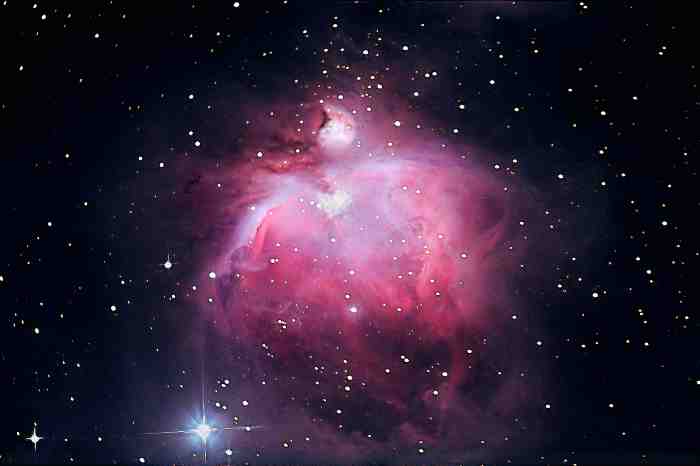
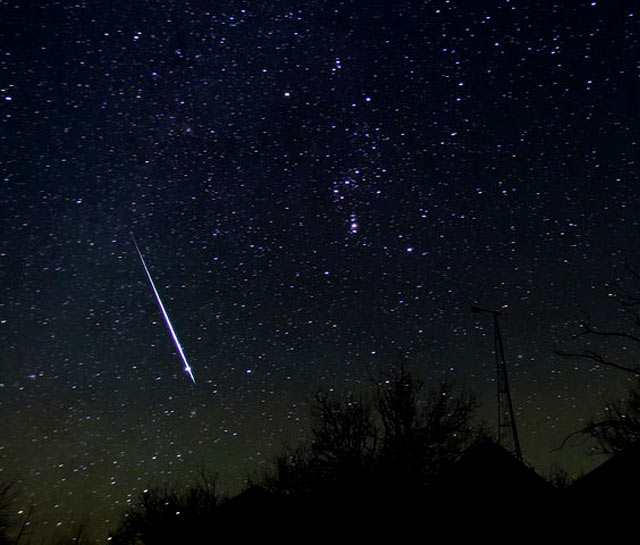
gecenin soğuk karanlığında “Orion” yıldız kümesini
izleyenler hâlden anlar biliriz.
“Avcı” (ORİON) yıldız kümesi akşam 19:30 dolayında
doğu yönünde doğup, giderek yükselerekten 23:00
sıralarında güney semalarının yükseğinden geçerek
sabahın 04:30’unda batı yönünde ufkumuzun altına
inmektedir ki bizden haber etmesi. Bu muhteşem yıldız
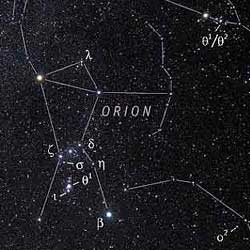
kümesinin görüntüsünü, hatta çizgi anlatımını , ve de
avcının bıçağı üzerindeki “Orion” bulutsusunun
arkadaşımız Mark Henson’un ve Hubble gök bakıcısının
çektiği muhteşem gürüntülerini bayram armağanı olarak
risâlemize ulayıp hizmetinize sunmuş bulunmaktayız.
“Olacak, bir kişinin bahtı kavî, talihi yâr,
Kehlesi dahî mahallinde ânın işine yarar”
(Kehle=bit)
(Lâedri)
Zaman-ı evvelde cüzzam sayrılığı olanlarda, kehle
(bit) denen mahlukatın bulunmadığı, kehlenin
yalnızca sağlıklı yiğitlerde bulunduğuna dair çok güzel
bir inanç var idi.
Kanuni Sultan Süleyman ve de zevcesi Hürrem cadısı,
kızları Mihrimah Sultan’ı dünyalar çirkini ve de rüşvet gelenegini Osmanlı’ya getiren Rüstem Paşa ile tecvîz etmeye (evlendirmeye) karar vermişler iken, Rüstem’in çirkinliğinin cüzzam illetinden olduğu söylentisi
üzerine âkil adamları, hırsız Rüstem paşamızı hamama götürüp,
çaktırmadan tüm esvâbında ve dahî cıbıldak gövdesinde
kehle (bit) aramışlar, mebzûl (bol) miktarda bit bulunca
ise padişaha koşarak, “ Dîdeler rûşen olsun (gözümüz aydın olsun)) sultânım, yaradana şükür ki, Rüstem paşamız’da bolca kehle mevcut, o halde, paşamız katiyyen cüzzamlı olabilemez” diyerekten, bahşişlerini almışlar, hâliyle
de Mihrimah Sultan ile Rüstem paşa izdivac eylemiş (evlenmiş),
“Taht el kala” (Kale Altı; şimdiki “Tahtakale”:) )
semtinde dünya evine değil, dünya sarayına girmişler idi.
Bugün başımızdan çok tuhafımıza gelen bir fıkra geçti ki
anlatmaya müstehak:
Sabahın erkeninde hastanemizin asansörüne bindiğimizde
son anda içeriye 9-10 yaşlarında iki adet afacan oğlan
girip kapuların da kapanmasıyla başladılar kıkırdayıp,
af buyurun, seslice yellenme gazları çıkarmaya.
Asansör odası anında, temsil, al bıçağı kes havayı
kıvamında, kesif ve nâhoş bir koku ile doluvermiş idi.
Nasıl ettiler bilinmez, bu veletler beş kat boyunca gaz
çıkarıp gülüştüler ki taaccüp ettim (şaşırdım) doğrusu. 5. kata
erişince veletler asansörden çıkarken bize bir de edep dışı el
işmârı çekmeleriyle, peşlerinden davrandıysak da
kapılar kapanıp asansörde yalnız kaldık.
Biz veletlerin böyle ihtiyarî (istemli) gaz çıkarma hünerlerine
şaşıyor ve tibbî bir izah arar iken, asansörün 7. katta durmasıyla, anında
içeriye asistan ve hoca ve de hemşire tâifesinden bir
gurup insan doluşuvermiş, biz dahi, kibarlık olsun
murâdıyla girenlere sırıtaraktan “günaydın” dediysek
de, kokuyu almalarıyla fakirin cihetine kem nazarlar
atıp, kimisi “çık çık çık” sesleri çıkarmış, kimisi
ise kafa sallayıp göz belertmiş idi. Hatta içlerinde
en fellisi ve kellisi, kahvaltıda bakliyat yemenin sakıncaları
konusunda fakire bir de nutuk irâd etmeye başlamış idi
ki on-ikinci kattaki servisimize canımızı güç atmış idik.
Gözleriniz hep yükseklerde olsun,
FPT Timur



 Timur Sümer

You must be logged in to post a comment.