
TAC64 50. YIL: ÇETİN & SERMET

TAC 64Yıl 1957. 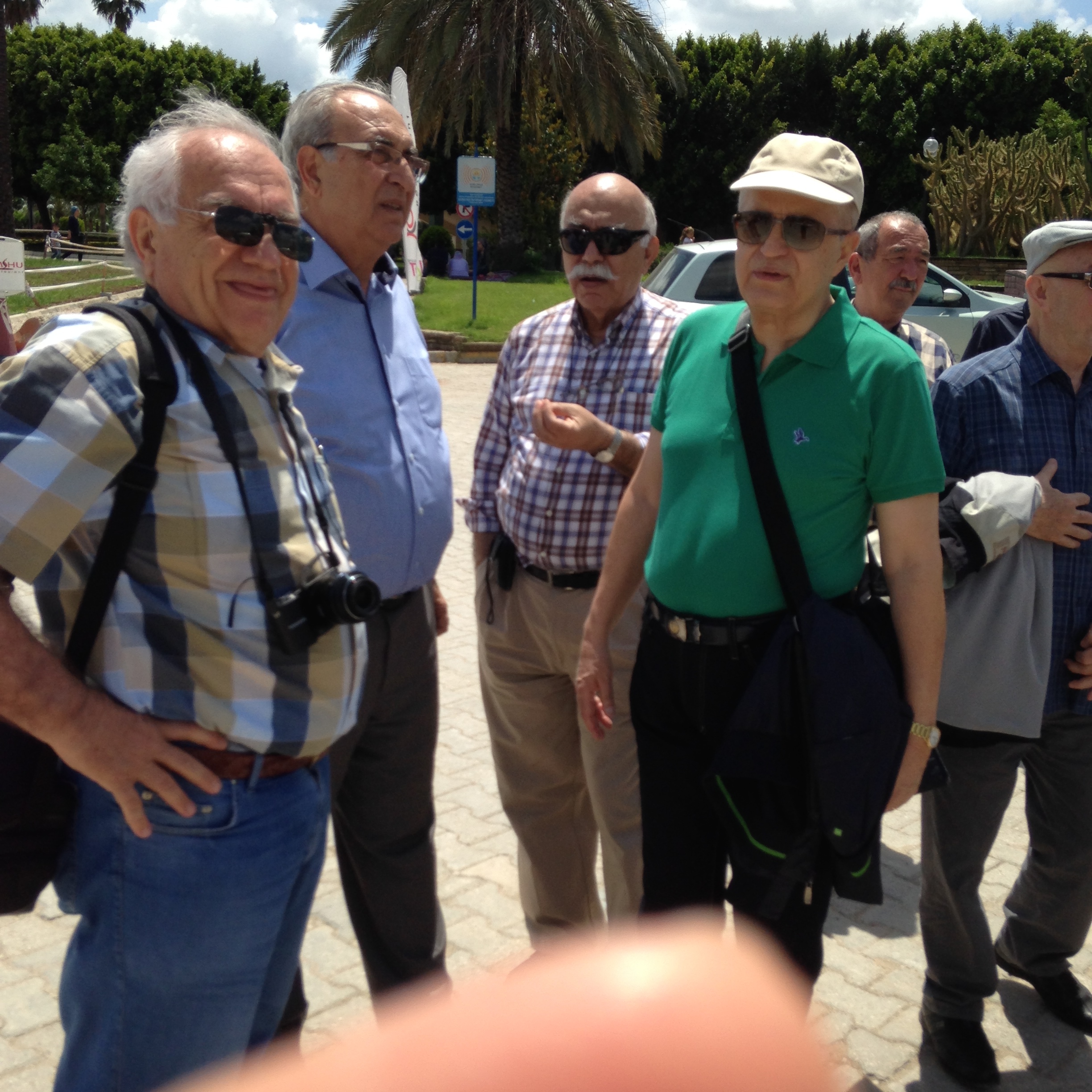 Mini mini çocuklar, hepsi yüzlerce kişi arasından kolej imtıhanını kazanıpTarsus Amerikan koleji ve Talas Amerikan koleji bahçelerine gelmiş, herşeye yabancılar. Yatakhanelerine götürülüyorlar, bir üst sınıf öğrencileri onlara rehberlik yapıyor, sorularını cevaplıyor ama kendilerine “ABİ” diye hitap edilmesi gerektiğini de titizlikle belirtmekten geri kalmıyorlar.Yıl 1964. Tarsus Kolejine veda etmenin zamanı geldi. Üniversitelere serpiliyoruz. Bu dönemlerde iletişim haliyle Ankara ve İstanbul’da devam ediyor ama üniversite yılları da bittiğinde mezunlar arasındaki iletişim oldukça zayıflıyor. Çünkü o devirlerde iletişim o kadar kolay değil, e-mail yok, cep telefonu yok, sabittelefonlarla konuşabilmek için uzun süre sinyal gelmesini bekliyorsunuz.Yıl 1999. İlk kez, mezuniyetten 35 yıl sonra 3 günlük bir programla Bolu Koru Motelde toplanıyoruz. Katılım %90 civarında. Sanki dün ayrılmışız gibi, kaldığımız yeden devam ediyoruz.

Eşler de çabucak kaynaşıyorlar. İlk görüşte aralarındaki uyum inanılmaz, o kadar ortak konuları var ki…Yıl 2004. Artık e-mail gurubumuz oldukça kalabalıklaştı. (35.yılda sadece 5 kişi idik). İtetişim gelişiyor,40. Yıl toplantımızı okulda yapıyoruz. Artık daha sık görüşüyoruz. Ankara, İstanbul, İzmir ve Ayvalıkta kısmi toplantılar sık sık oluyor, ve…Yıl 2014. Tekrar okuldayız. Teşekkürler Mezunlar derneği, teşekkürler Ali Cerrahoğlu ve diğer görevli arkadaşlar. Okulda hiç unutamıyacağımız bir gün yaşattınız. Teşekkürler…Yavuz AltayTac’64
TAC64’ÜN 50. YIL BULUŞMASI
1964 yılında Tarsus Kolejinden mezun olan arkadaşlarımla okula aynı yıl başlamıştım ama bir sene kaybettiğim için 1965 yılında mezun olabilmiştim. O yıllarda “borçlu geçmek” gibi bir şansımız olmadığından tek dersten zayıf almak bile sınıfta kalmaya yeterliydi. Aynen öyle olmuş, lisede derslerin birisinden çakmış, “çift dikiş” yapmak zorunda kalmıştım. Bir sene sınıfta kalmanın da avantajı yok değildir hani. Bir alttaki sınıftakilerle de birkaç yıl beraber okursun, böylece okulu bitirdiğinde sınıf arkadaşlarının sayısı katlanmış olur. Olur olmasına da, çocukluk ve gençlik yıllarını beraber geçirdiğin altı yıllık sınıftaşlarının yeri de bir başka olur yaşamında.
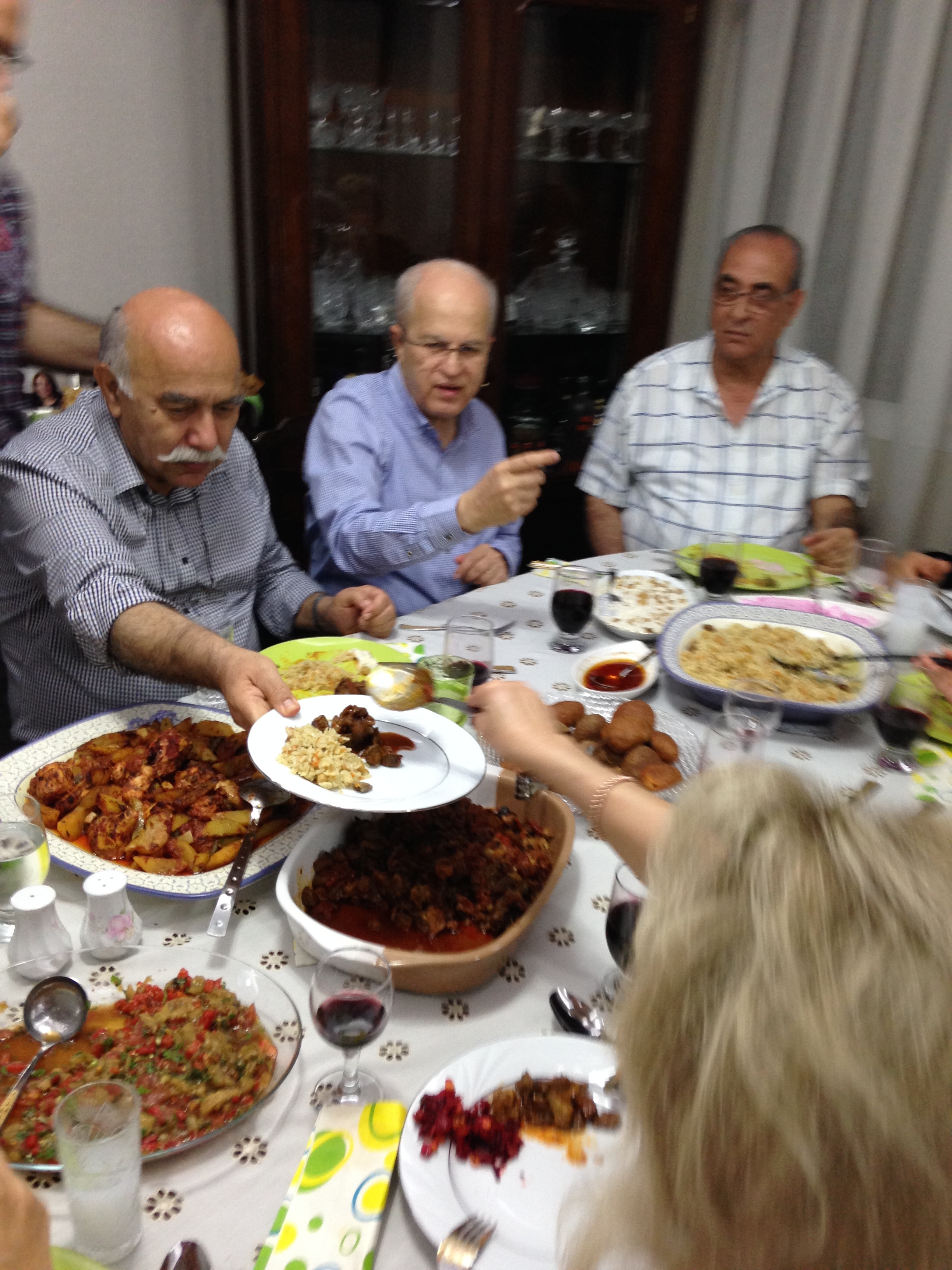
Yavuz Altay, Adana’da oturuyor olmam hasebiyle, beni arayıp 16 Mayıs Cuma akşamı için iyi bir kebapçıda otuz kişilik yer ayırtmamı istemişti. Adana kebabını hakkı ile yapan Sercan Restoran’da uzun bir masa hazırlatmış, akşam 8:00 gibi Adana Şirin Park otelden gelecek arkadaşlarımı ve eşlerini karşılamak üzere bahçeye çıkmış bekliyorum. Gözüm kol saatimde, dolanıp duruyorum. Gelen giden olmayınca dayanamayıp Muammer Arıkan’ı arıyorum ve biraz gecikeceklerini öğrenince de, bu organizasyonda bana yardımcı olan, avukat damadımla bahçedeki bir masaya ilişip laflıyoruz. Derken lokantanın önünde iki minibüs duruyor ve bizim grup tek sıra halinde bahçeye girmeye başlıyor. Yassı taşlar döşenerek ince bir patika haline getirilmiş bahçe-bina arasıdaki yola neden akıl edip de bir kırmızı halı serdirmediğime, neden bir davul-zurna çaldırtmadığıma hayıflanıyorum o an.
On yıl önce, yani mezuniyetlerinin 40. yılında, okulda görmüş olduğum arkadaşlarımı tanımam zor olmuyor ama elli yıldır göremediklerim bana o kadar yabancı geliyor ki! “Beni tanıdın mı?” diyor saçlı-sakallı orta boylu zayıf birisi. “Tanıdım” desem, “adım ne o zaman?” diyecek belli ki ve de piyastos olacağız… “Valla çıkartamadım” desem, “Ulan insan elli yedi yıllık arkadaşını tanımaz mı be?” diyecek! Hafızamı zorlayıp duruyorum ama hafızamın da kalleşliği tutmuş bir türlü yardımcı olmuyor! “Ben Yusuf be!” diyor nihayet. “Valla” diyorum, “dilimin ucundaydı ama sen benden önce davranıp adını söyledin.” Türkçemizde ne güzel deyişler, deyimler var. “Dilimin ucunda….” çevir bakalım başka bir lisana neye benzeyecek? Evet, yalan değil, Yusuf’un adı da dilimin ucundaydı ama başka isimler de dilimin ucundaydı. Seç aralarından bul bakalım karşındaki saç-sakal yumağı ile hangi isim ile eşleşecek, tabii bulabilirsen…
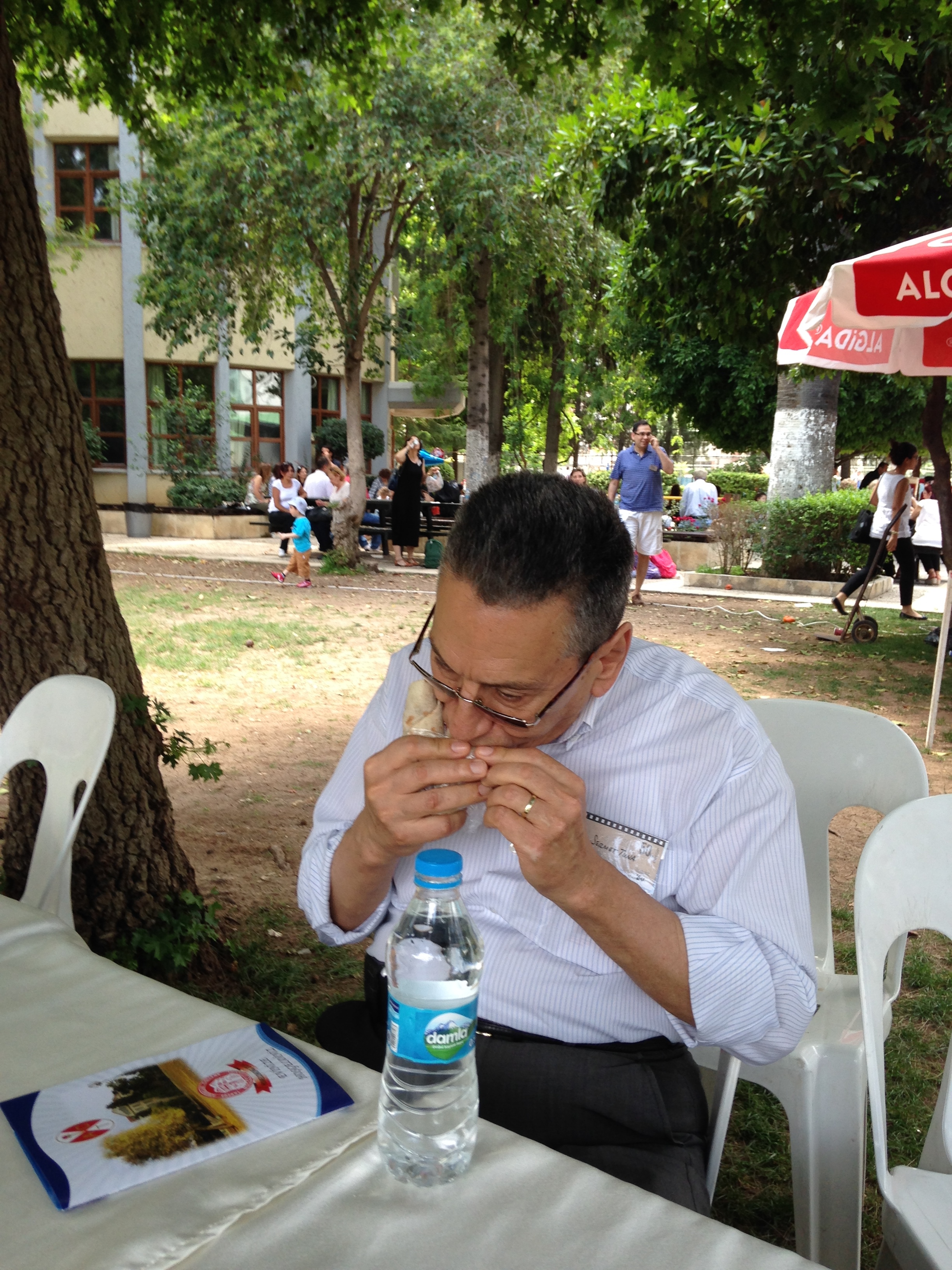
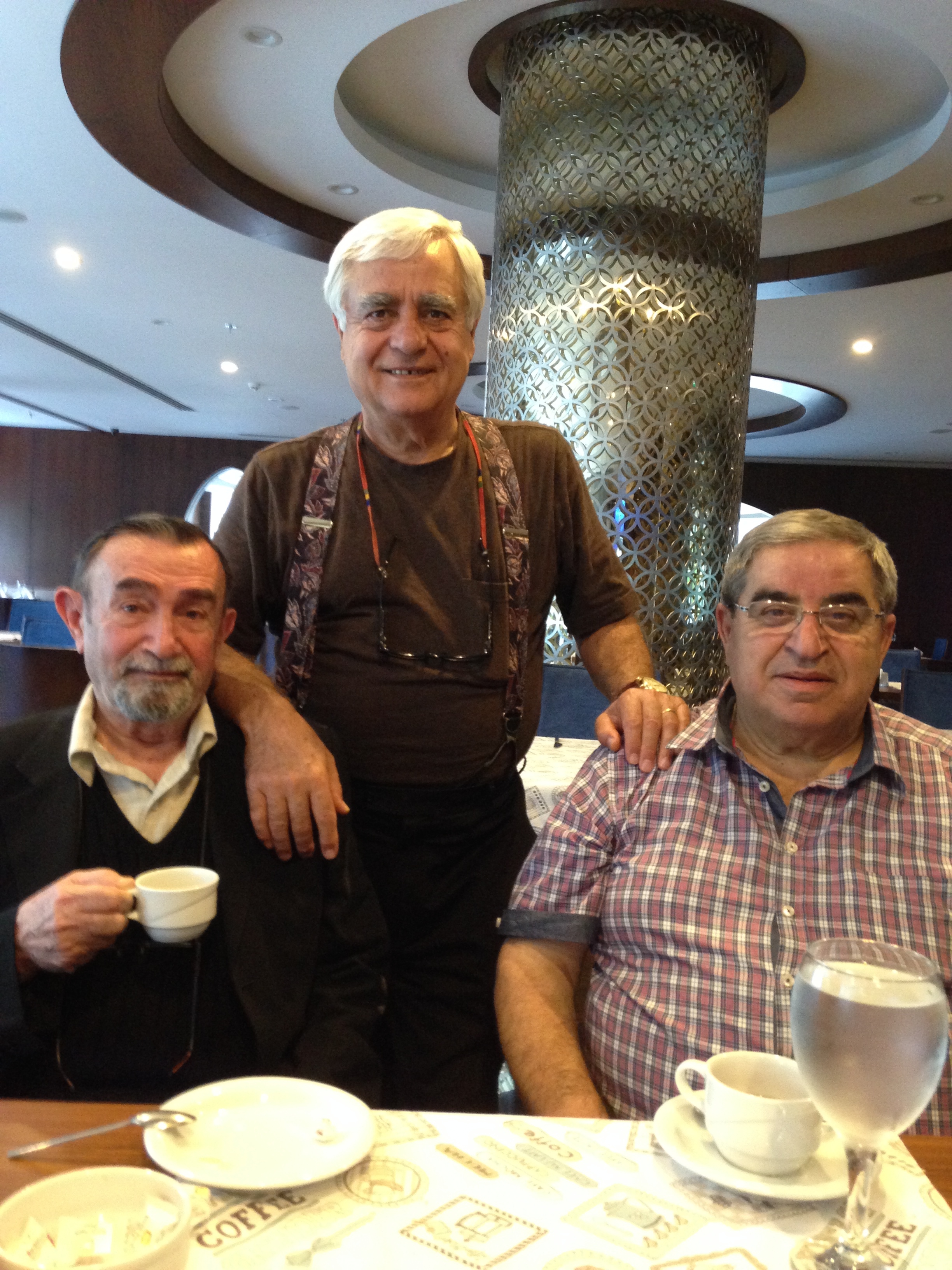
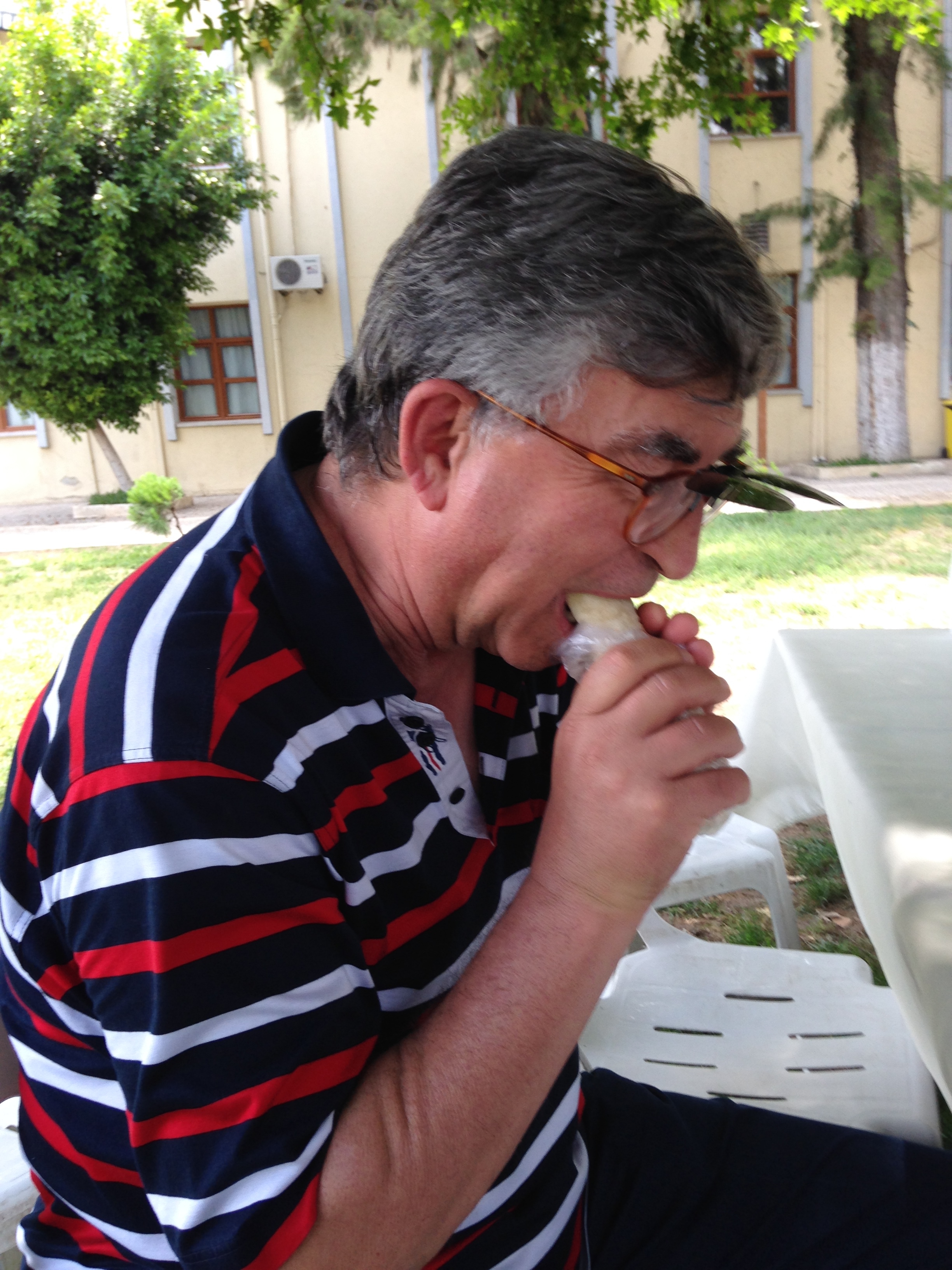
Sağ olsunlar, bana yardımcı olmak üzere Yavuz ve Timur imdadıma yetişiyor ve beni zor durumda bırakmamak için her önümden geçeni takdim etmeye başlıyorlar. Birçoğu ile son on yılda görüşmüş olduğum için, “hafızamızı o kadar da kaybetmedik” dercesine, takdim beklemeden “Merhaba Çetin, hoş geldin Tolga…” diye elimi uzatıyorum Timur veya Yavuz’un tiyo vermesine fırsat vermeden. Ama sıra Bünyamin Çatal’a gelince takılıyorum ve bu defa her ikisinin de hınzırlığı tutmuş olmalı ki ne Yavuz ne de Timur seslerini çıkartmıyorlar. Umutsuz umutsuz yüzlerine bakıyorum, her ikisinin yüzünde gaddarca bir gülümseme, bana “madem öncekileri tanıdın hadi bunu da tanı bakalım” diyorlar sanki. Derken bir başkası arkadan sesleniyor “Bünyamin’i hatırlamadın mı yaaa?”
Lan Yusuflar, lan Bünyaminler! Şart mı sakal-bıyık bırakmanız olum? Gıcığınız mı var lan bana? Tanınmamak için bir de maske taksaydınız oldu olacak!
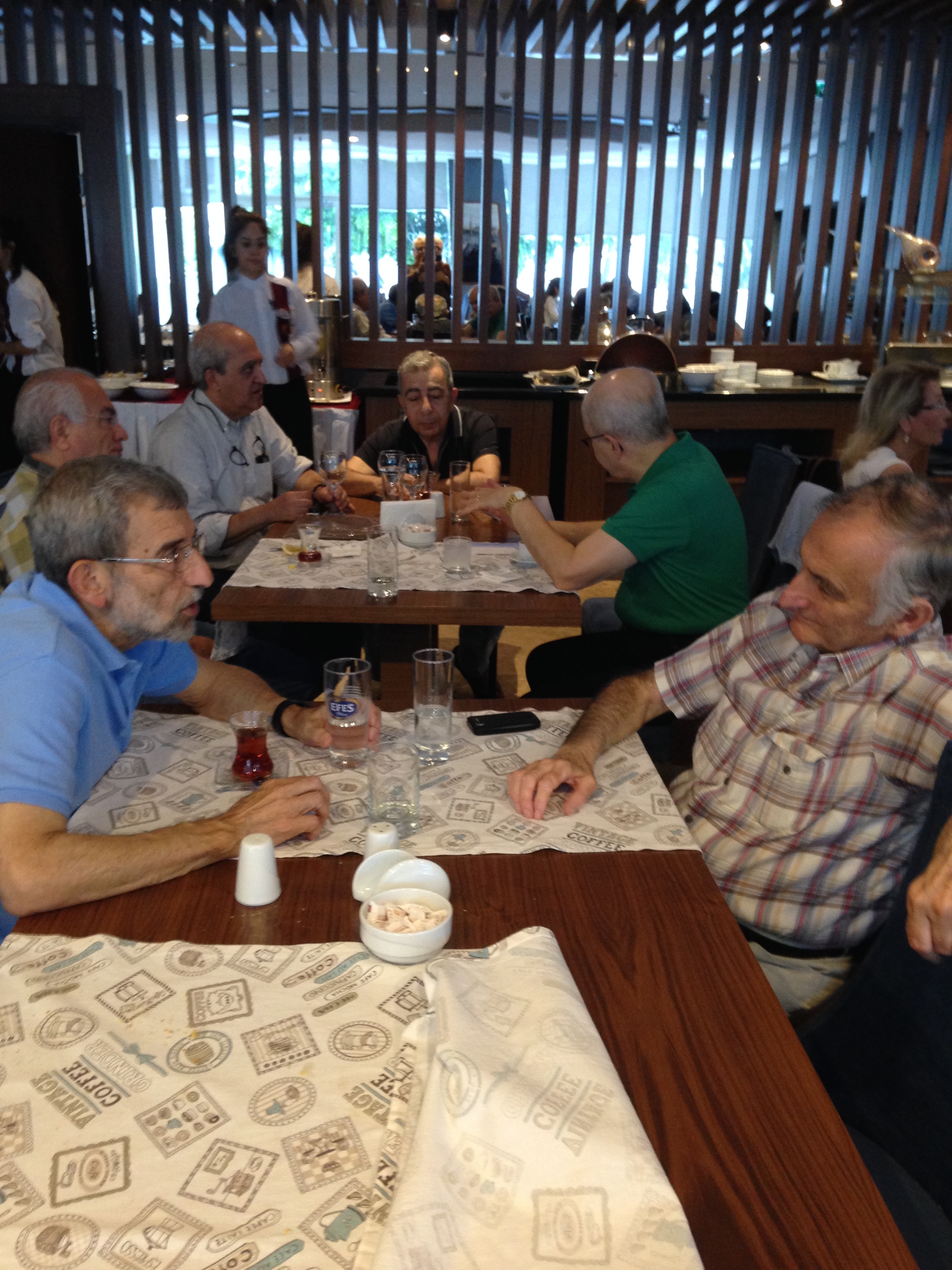
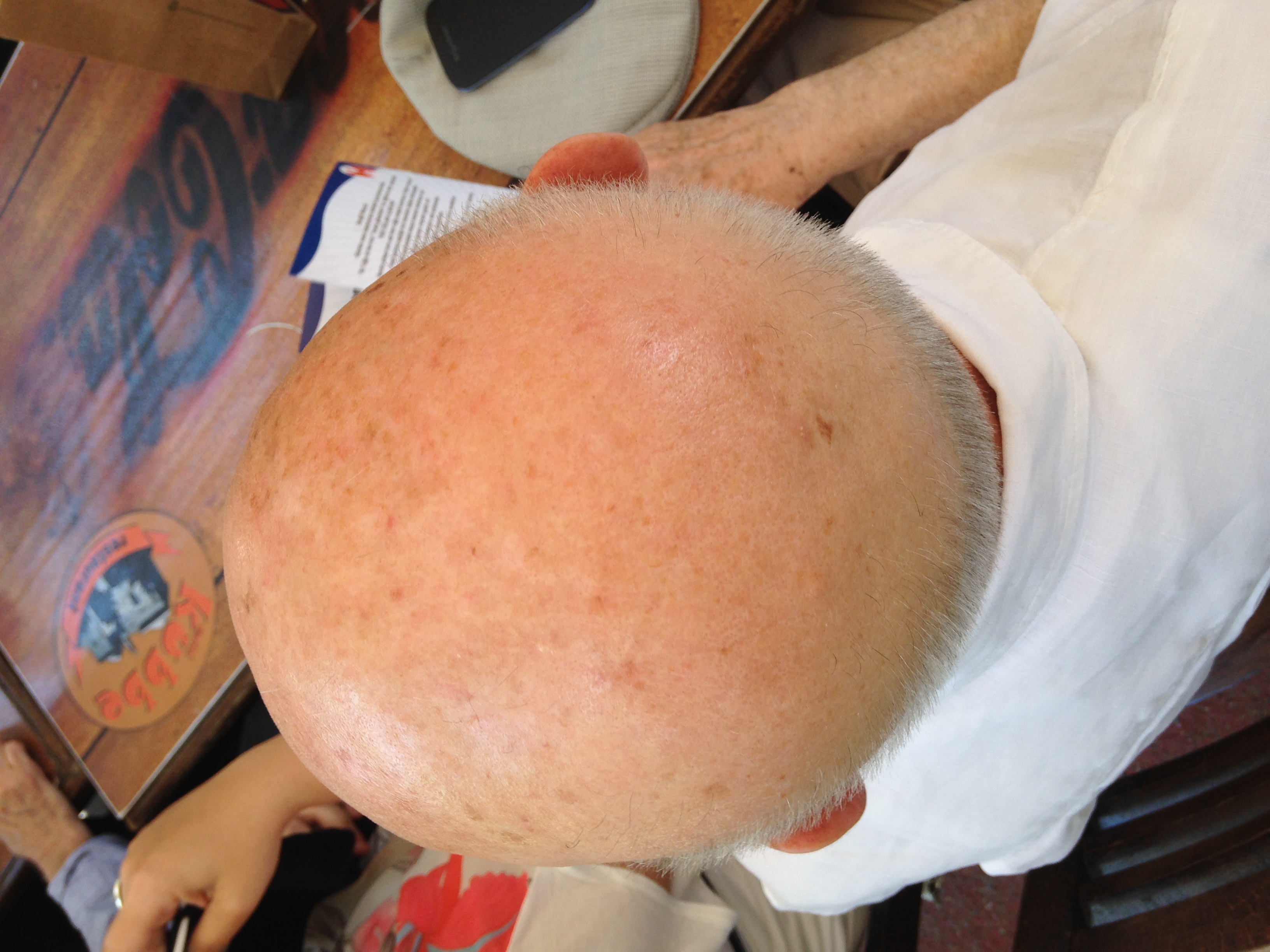
Aramızdaki birkaç kişi hariç, saçlarımızı neredeyse tamamen kaybetmişiz. Timur’da saç var olmasına var da, beyaz kıllı keçi postundan yapılmış peruk gibi bir şey. Peruk olup olmadığını sorsam ayıp olur diye sesimi çıkartmıyorum. Gerçi gerçek saça benziyor ama bu defa da hangi deterjanla bu kadar bembeyaz yapabildiğini sormak geliyor içimden. Olur a, kafamızdaki üç tel saçı tümden bembeyaz yapmak istersek, ne kullanacağımızı bilelim, di mi yani? Yahu saçı peruk değilse değil, ama bak üst ön dişleri arasındaki boşluk nasıl da açılmış? (Ona da bir kulp buldum sonunda! Ohh be!)
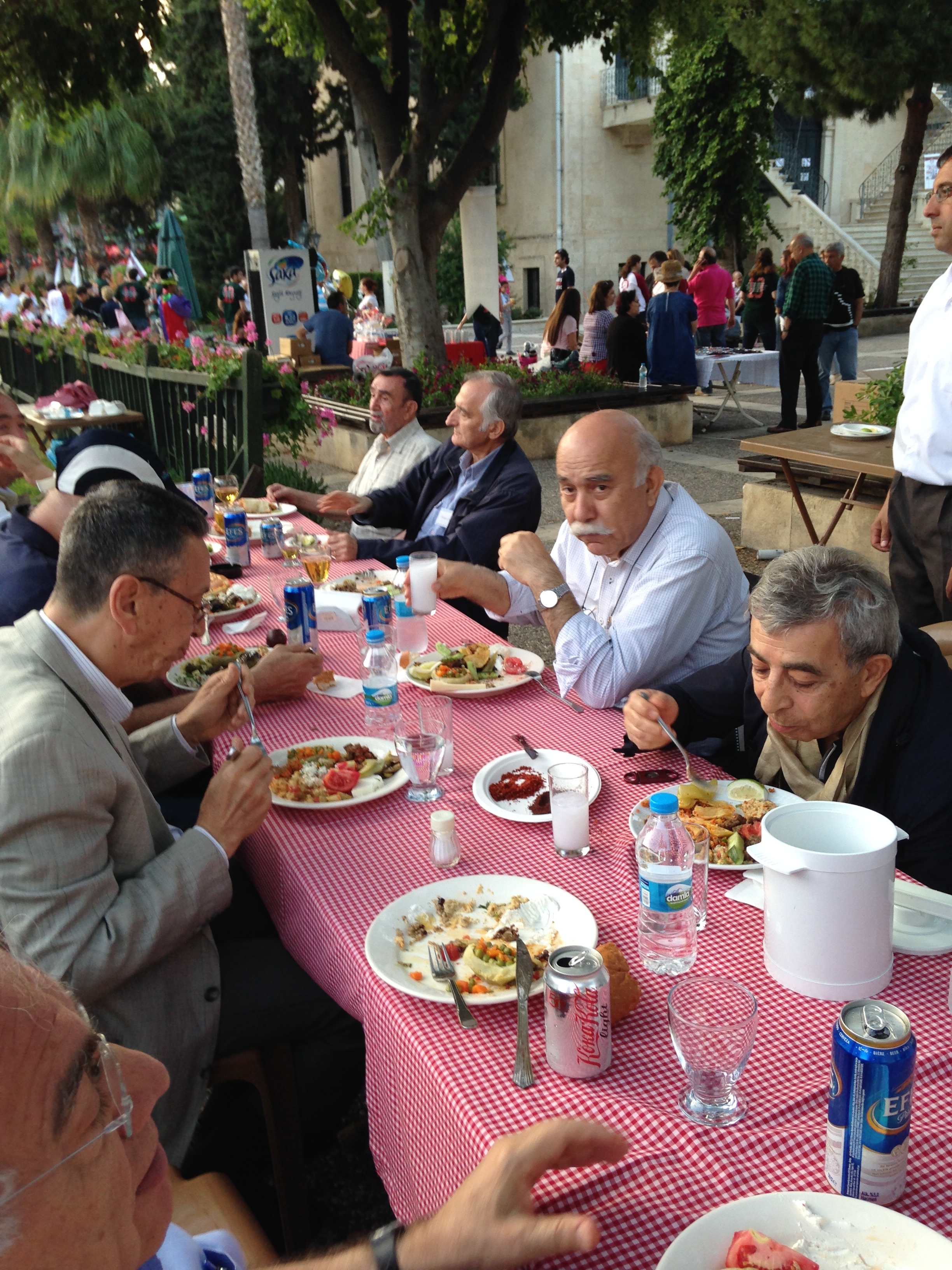
Sınıfta ilk bıyığı çıkan sevgili arkadaşım Serhan Altınordu’yu, artık sakalı-bıyığı olmamasına rağmen (ama biraz kırlaşmasına karşın hala saçlarının kafasını terk etmemiş olmasından) tanımam hiç de zor olmuyor. Boyu basketbol oyuncusu olabilmek için yeterli olmadığı düşünülebilecek olan Serhan’ın, şimdilerde “üç sayılık” denilen uzak mesafe basketleri ile meşhur olduğu günleri anımsayıp gülümsüyor, boynuna sarılıyorum.
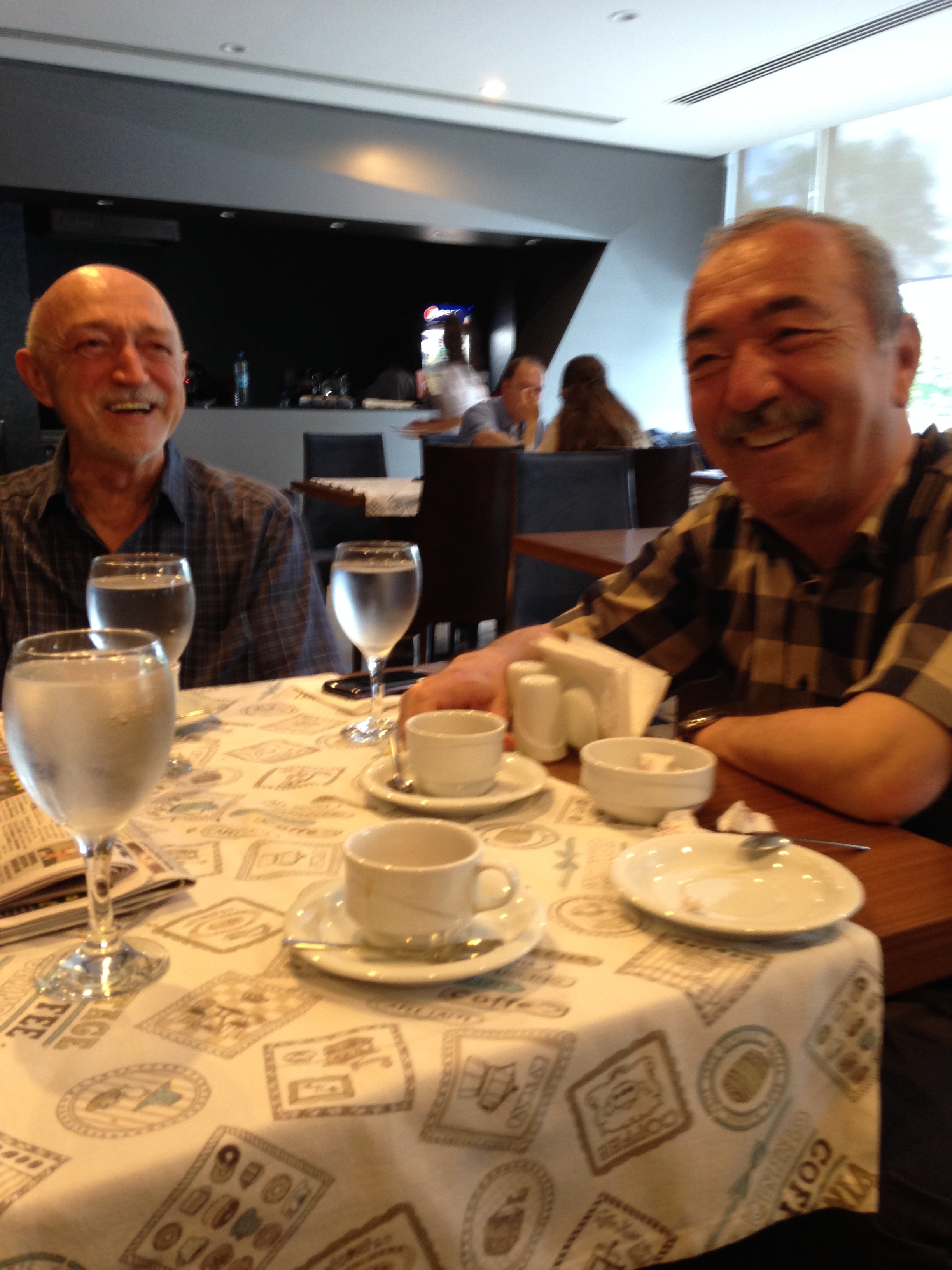
Cemal Güven geliyor sahneye. “Ağır Abi” karizması hiç değişmemiş ve bir elli sene daha sonra rastlasam, onu ilk bakışta tanıyabileceğimden eminim. Arkasından Tolga Eroğan beliriyor. Nazarlardan uzak olsun, Tolga hiç değişmemiş ki tanımayayım! Benim dönemden Sinan Bayraktaroğlu’nu görüyorum onun ardından. Sinan da aynı Sinan! Ateş Aykut da ilk bakışta hatırlanacak takımından. Gerçi onunla son yıllarda görüşmüştük ama elli yıldır hiç görüşmesek bile yüz metreden tanırdım onu, eminim. Genç kalmış olması bir yana, tanımam için o muhteşem gülümsemesi bile yeter be!
Çetin Yüceuluğ ise aramızda en dinamik kalmış olanımız! Al manken diye podyumda yürüt…
Sermet Tuna…. Bir gün önce karşılamıştım onu hava alanında. Yakışıklılığa aynen devam… Ama bin bir zahmetle geliştirdiği pazuları sanki artık yok gibi ya da onları bizden saklıyor uzun kollu gömleği ile, her neyse ne.
“Ben Mahmut Arsava” diyor karşımdaki kilolu bir arkadaş, “Hafızanı fazla zorlama, nasıl olsa hatırlayamazsın” dercesine . “Mahmuuuuttt?” diyebiliyorum ancak. Ne yalan söyleyim, saçlarının hala gür olmasına ve de genç görünümüne rağmen, benden biraz daha fazla büyütmeyi başarabildiği göbeği nedeni ile tanıyamıyorum onu!
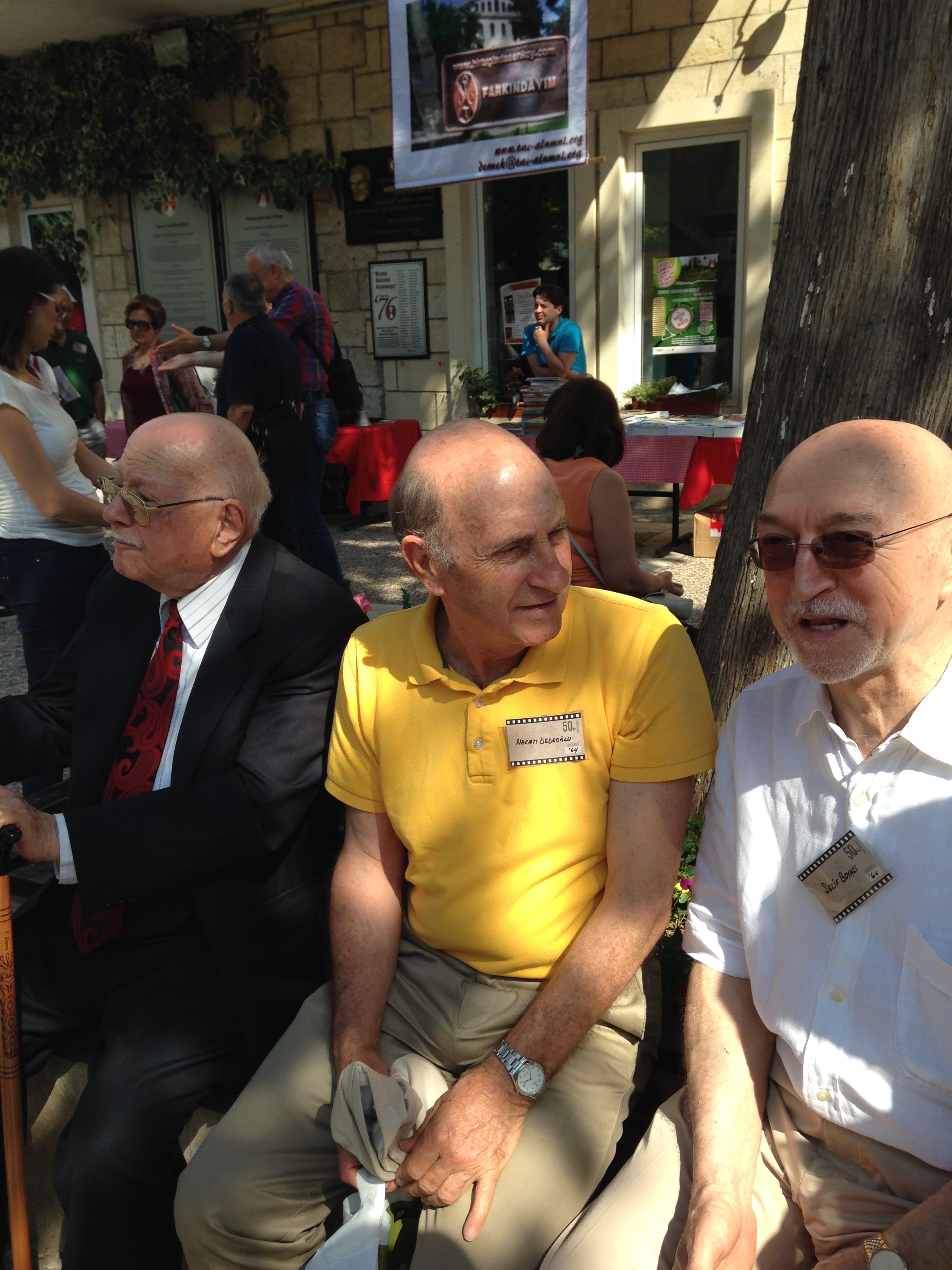
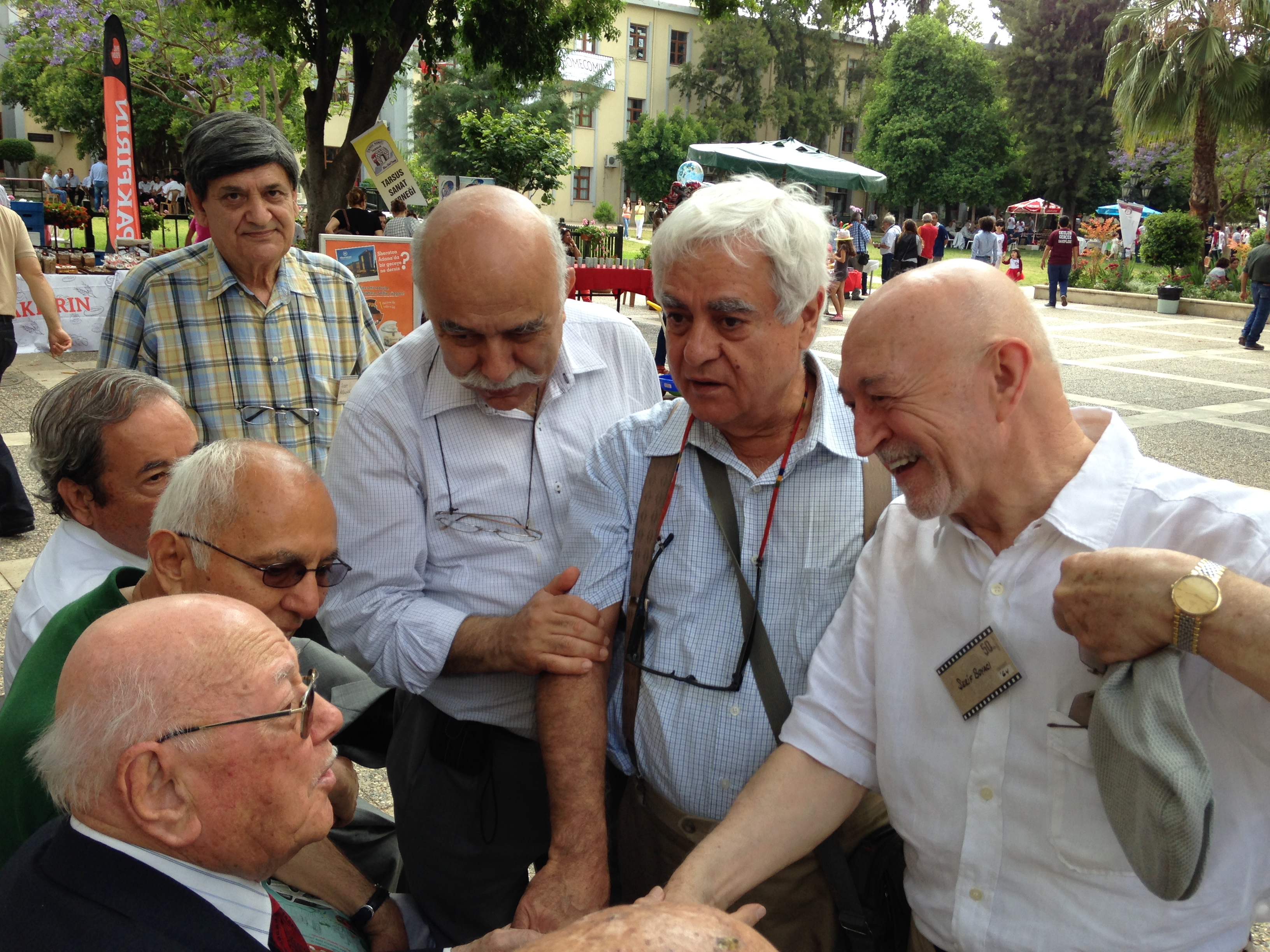
Aslında benim gibi başkalaşıma uğramış guruptan olsa da, Facebook’ta görmüş olduğum fotoğrafları dolayısı ile Necati Dedeoğlu’nu tanımam pek güç olmuyor. “Yahu sen Antalya’da mısın, Adana’da mısın, neredesin?” diyor bana ve sarılıyoruz.
Sima olarak Turhan Kayasü hiç değişmemiş. Onu ilk bakışta tanıyamazsam, hafızamdan tamamen şüphe ederim artık. Valla Turhan’da ne cami yıkılmış ne de mihrap yerini terk etmiş. Hani derler ya; “Maşallahı var”! Sadece biraz esmerleşmiş gibi geldi bana.
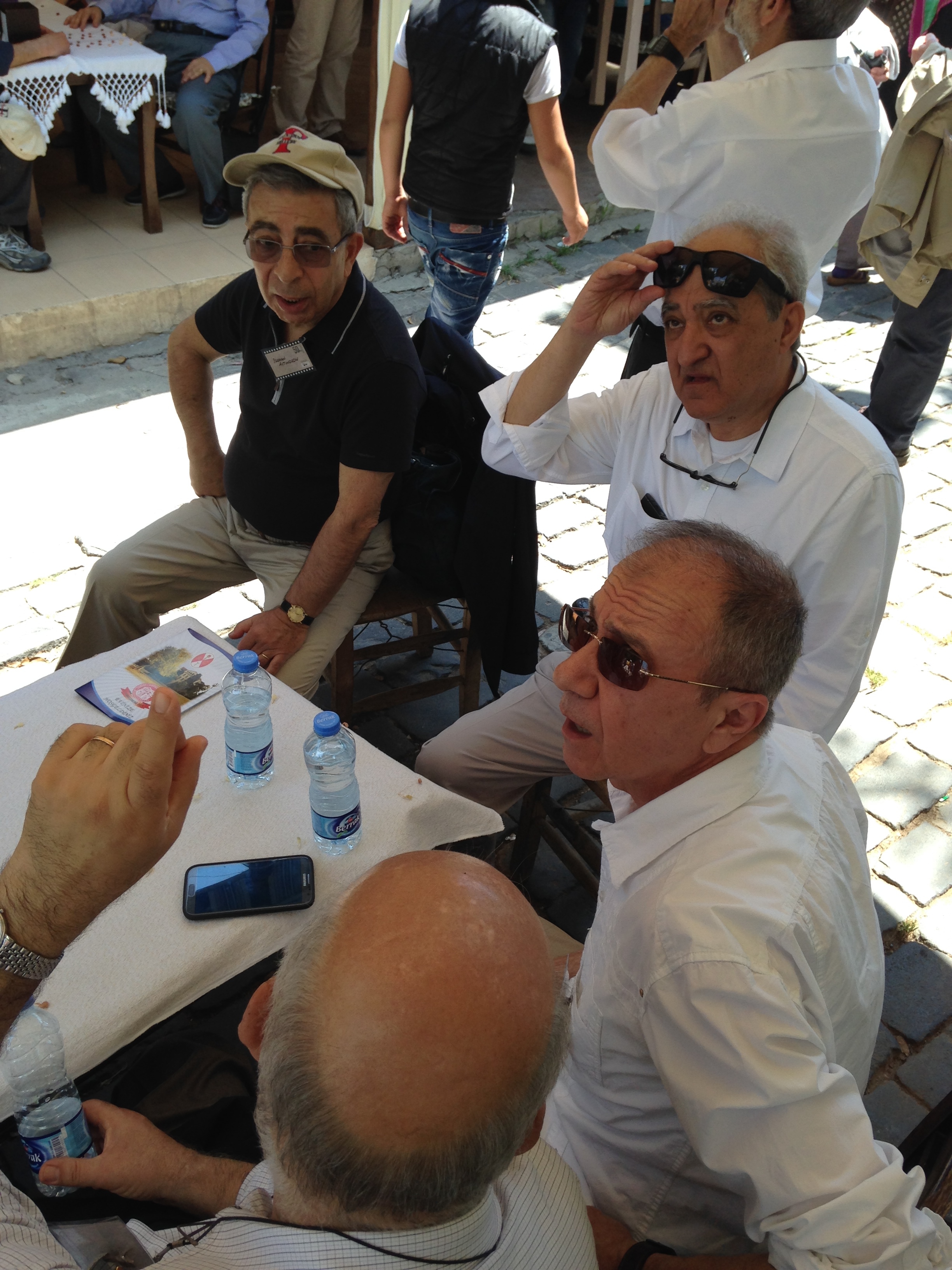
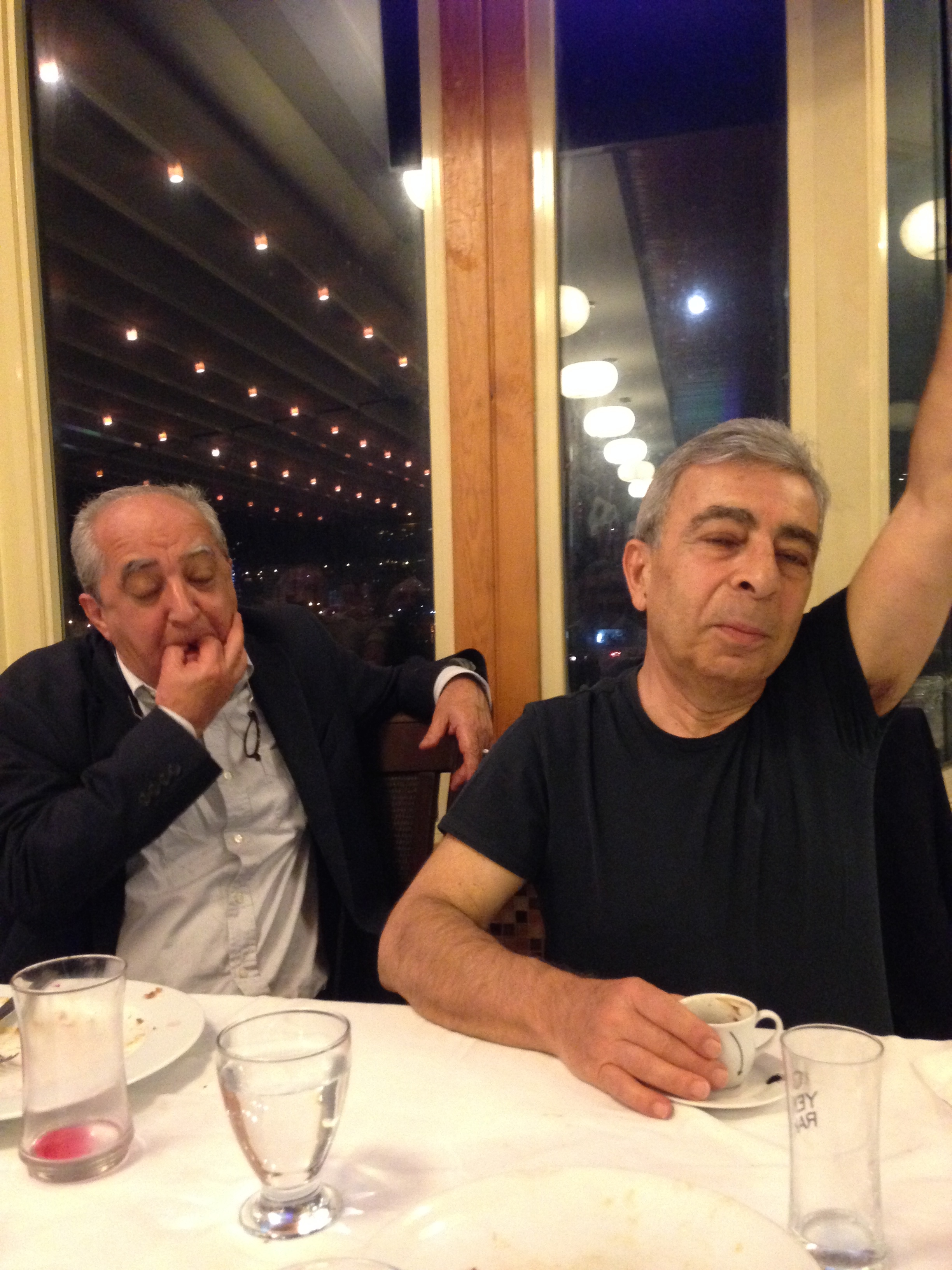
Eğer etrafta orta yaşlı Çinliler, Moğollar veya Türkmenler vs. yoksa, Hikmet Pekcan’ı bir nazarda tanıyamamanız için hiçbir sebep yok demektir! Üstelik zaten adam hiç değişmemiş k! Her ikimiz de gündüzlü olduğumuz için, beraber okula gidip geldiğimiz günler geliyor gözümün önüne ve Hikmet’e biraz daha özlemle sarılıyorum.
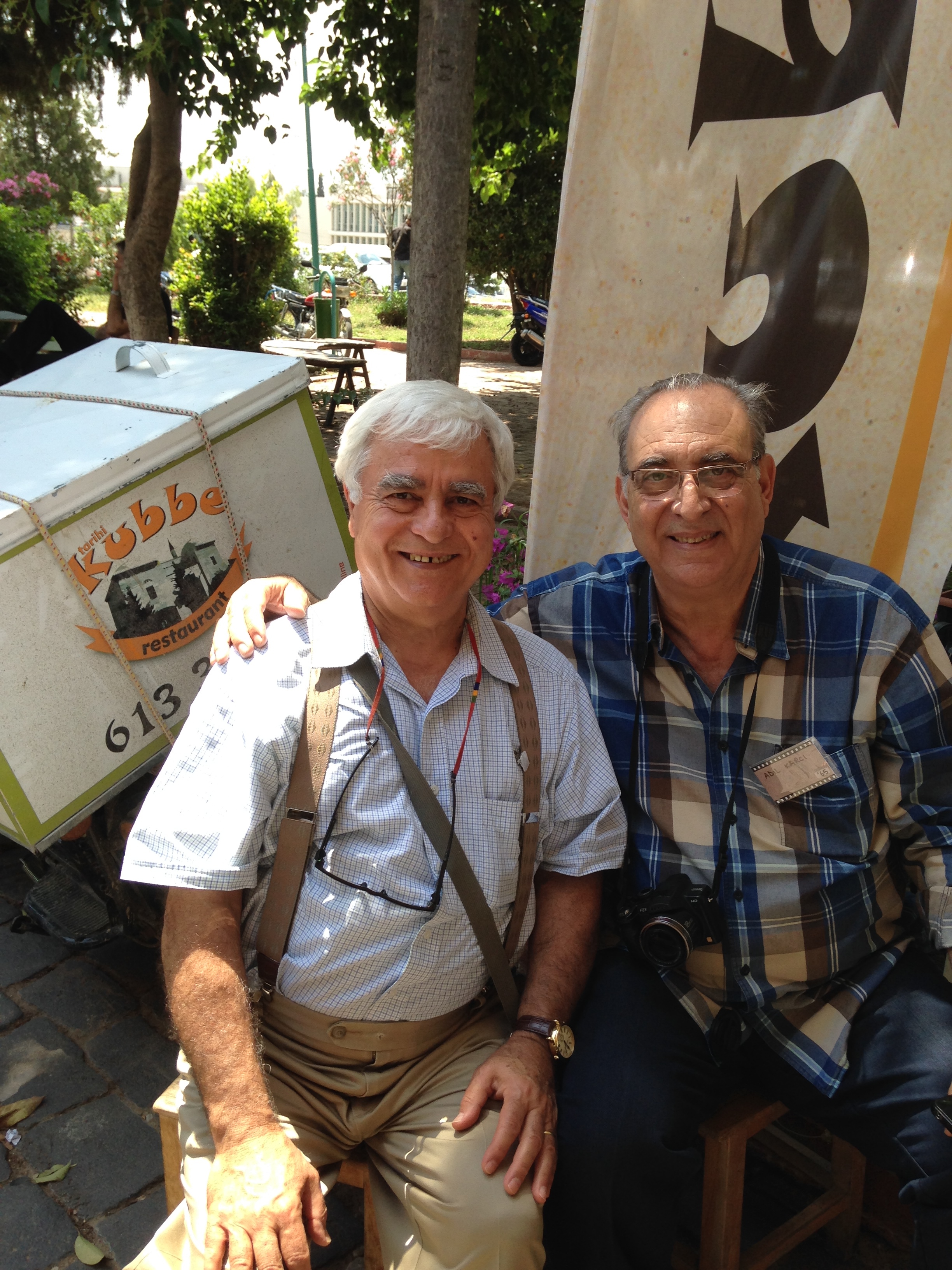
“Aman Allahım” diyorum Şerif Boyacı’yı görünce. Her ne kadar o da sakal bırakmışsa da, her ne kadar saçlarını ustura ile kazıtmış(!) ise de simasını değiştirememiş, velhasıl suretini gizlemeyi başaramamış! Basbayağı bizim Şerif bu yahu! Kendisine has o bas-bariton sesi ile “Merhaba Adil” diyor ve kucaklaşıyoruz.
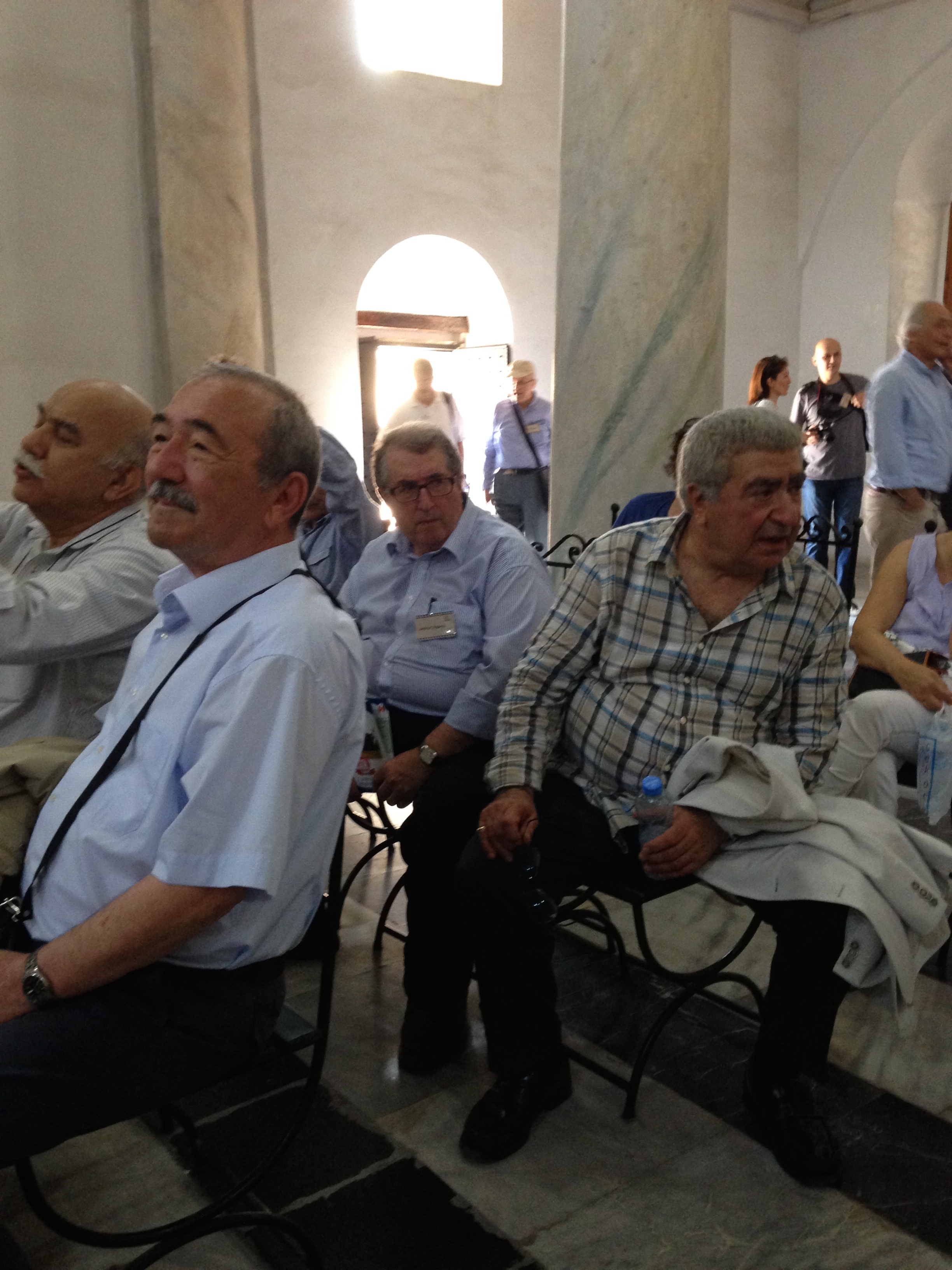
Yavuz Altay ile mezuniyet yıllarından sonra görüşüp hasret gidermişliğimize rağmen (ki kankalarımdan birisi olur zat-ı alileri) yine özlemle atılıyoruz birbirimizin boynuna.
Derken arkadan “Diyl, Adiyl” diye sesleniyor birisi. Haydar hoca kopyası bir saç modeli, bembeyaz pos bıyıklar, eh biraz da göbek…. Yıllar öncesi birkaç kere görüşmüştük ama benim o gördüğüm kankam Muammer Arıkan bu değildi ki! “Mutlaka sahtesidir, hatta Çin malı bile olabilir bu” diye içimden geçirirken bakmakta olduğum gözleri “benim ben, sahte mahte değil hakikiyim” diyorlar bana. Güreşçiler misali, el ense dalıyoruz birbirimize.
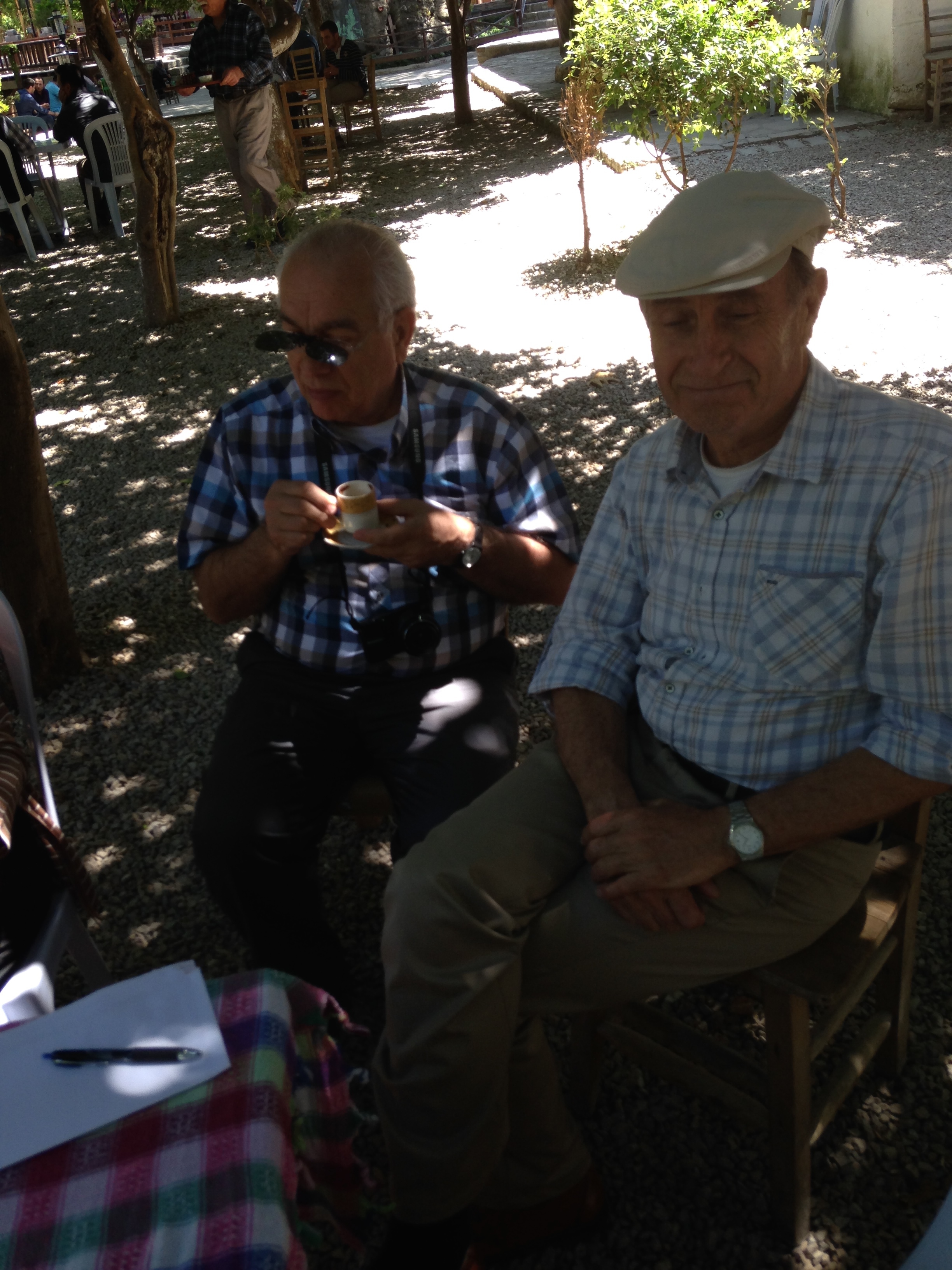
Aydan Bulutgil zarafetinden hiçbirşey kaybetmemiş. Ertesi gün okula gelen Erdoğan durmaz olsun Mehmet Can olsun, her ikisi de pek yaşlanmamışlar Maaşallah!
Bu arada arkadaşlarım yanlarındaki eşlerini de takdim ettiler bana ama o heyecanla kim kimdir aklımda tutamadım, taa ki ertesi gün tekrar buluşana kadar.
Son olarak şapkalı bir heyula belirdi en arkada. “Ali Karakaplannnnnn, merhaba arkadaşım” diye bağırdım. “Nasıl tanıdın beni yahu?” dedi şaşırarak. Doğrusunu söylemek gerekirse haklıydı, zira benim elli yıl önce Kolej kapısında vedalaştığım Ali Doğan ile bu şahsın arasında pek benzerlik kalmamıştı. “Nasıl mı tanıdım?” dedim. “Boyundan olum boyundan!” Vay be, yıllar hepimizden neler alıp götürmüş!
Merak bu ya, yemeğe oturunca Ali’ye duyura duyura etrafımdakilere “Yahu Ali kibar çocuktu eskiden, şu saygısıza bak, şapka ile kapalı mekanda oturuyor” diye ünnedim.
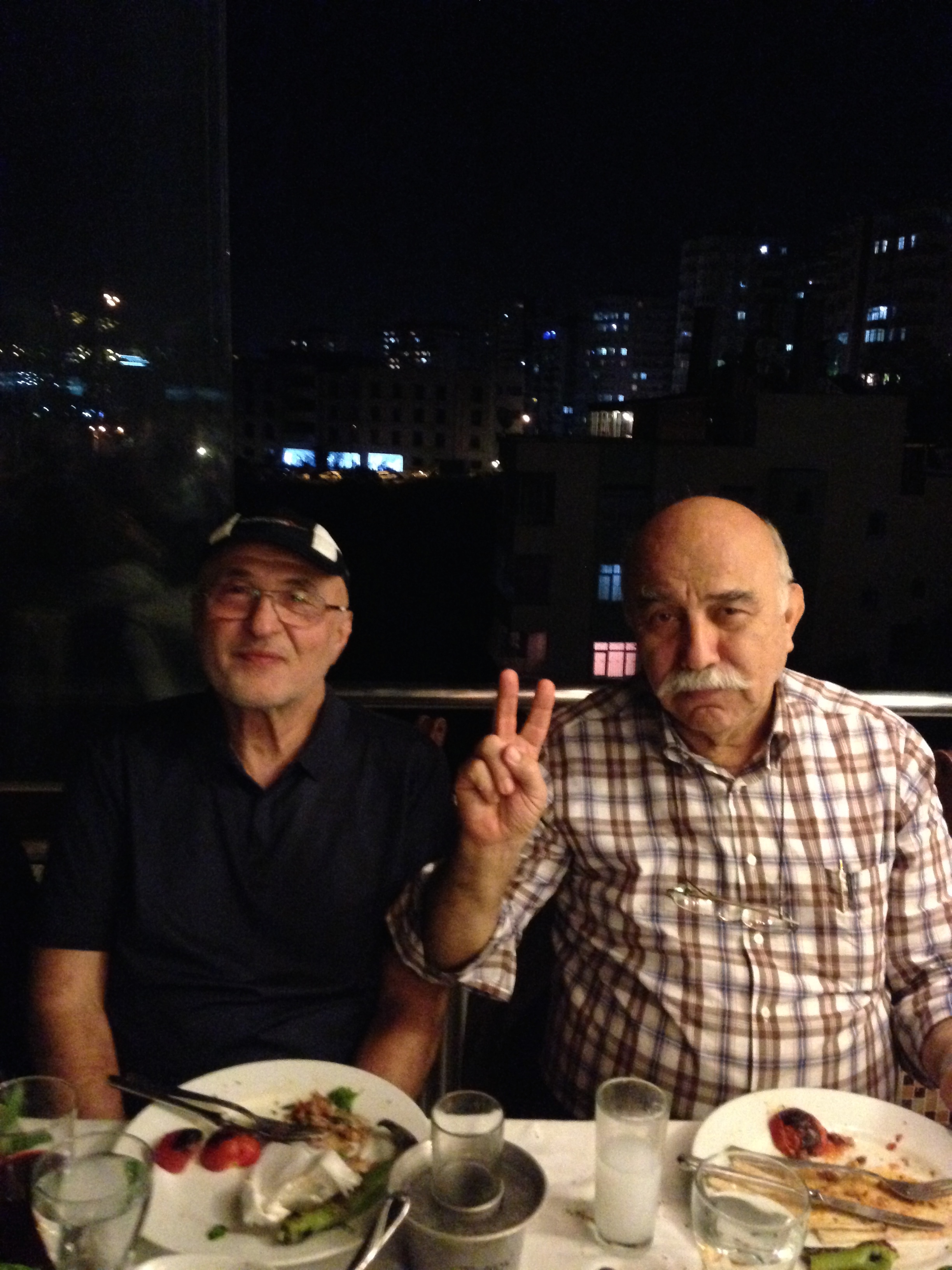
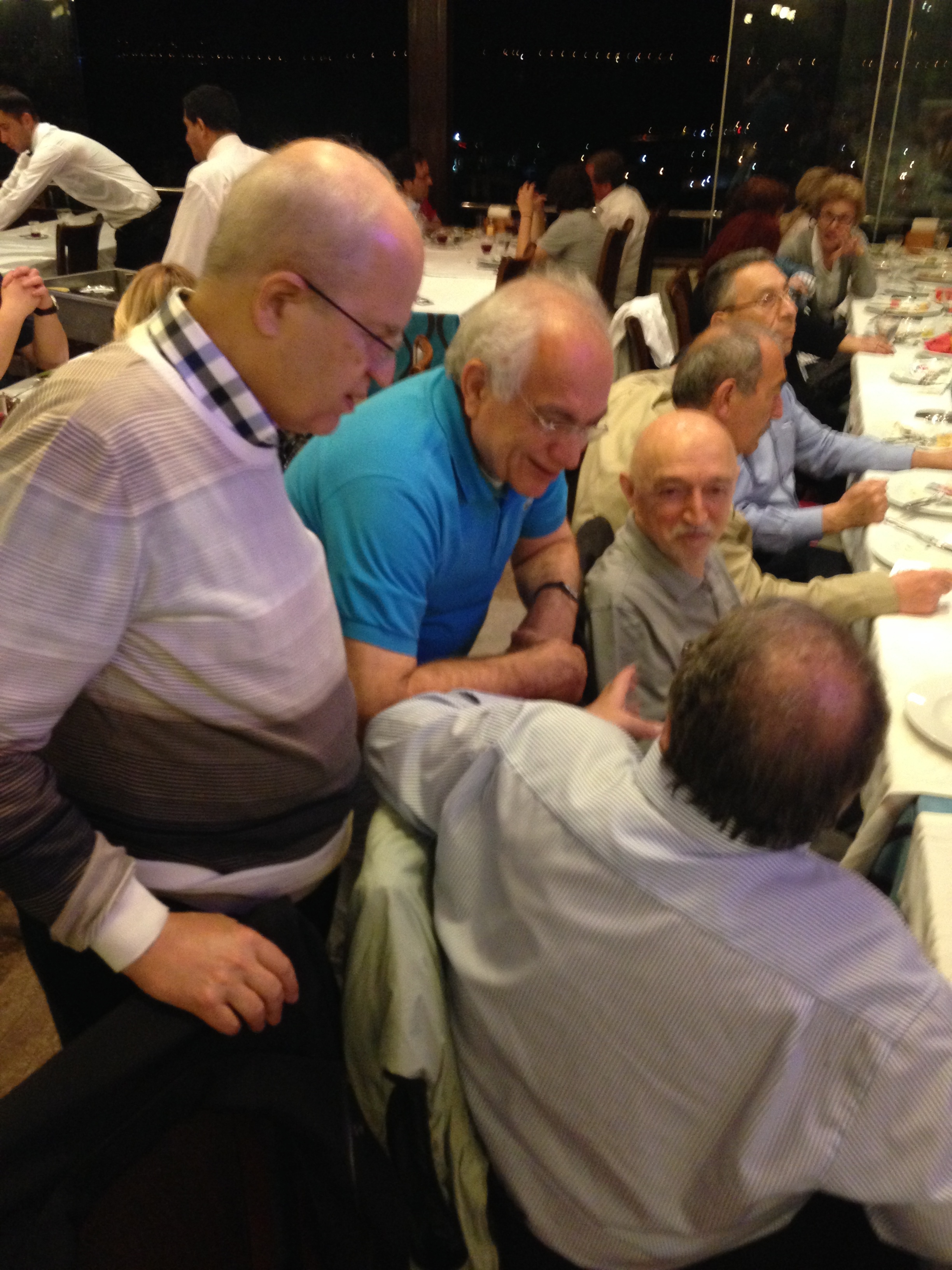
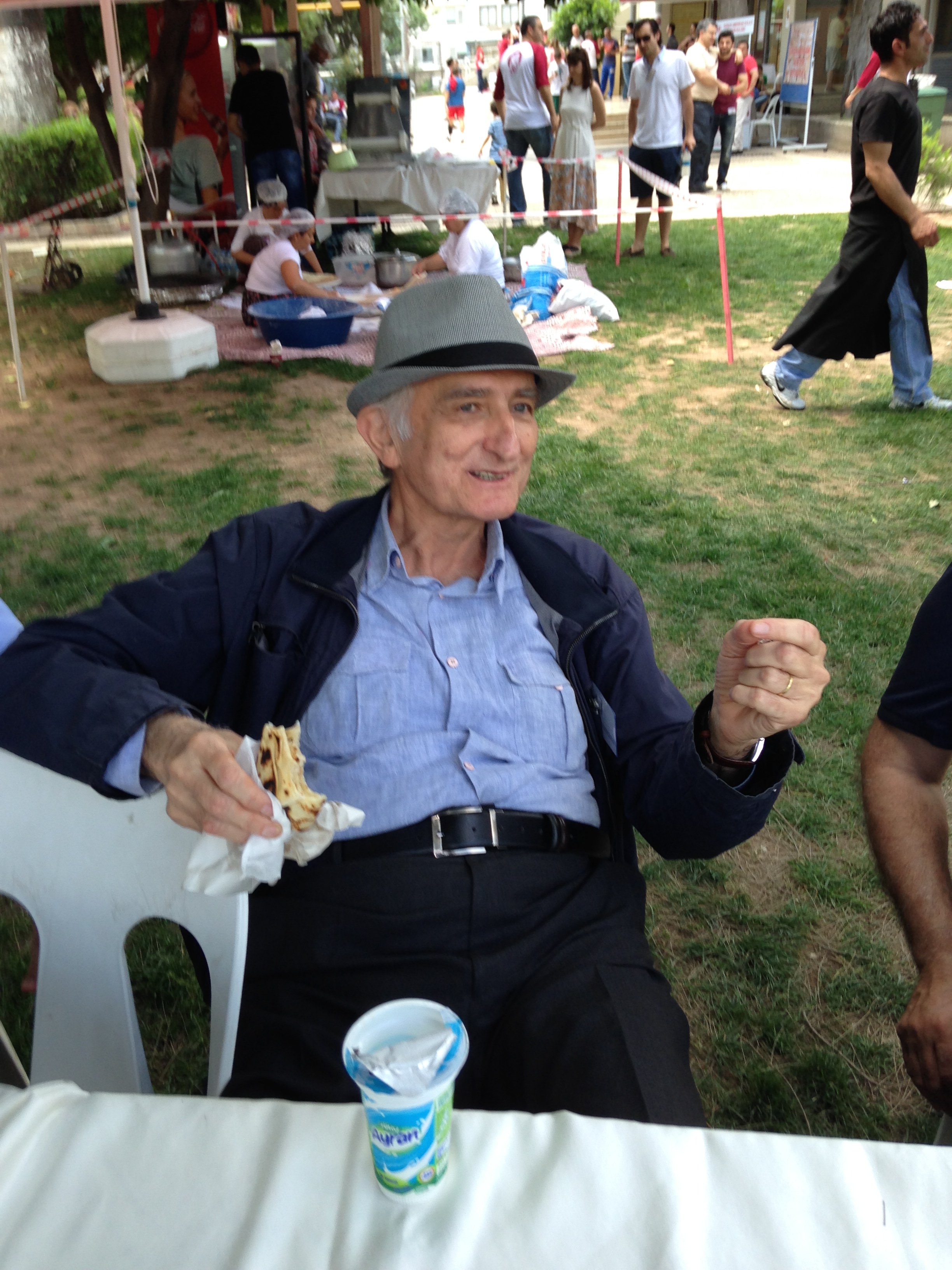
Kendisi beni duymadı ama yanındakilerden birisi hislerime tercüman olup şapkasını çıkarttırdı kafasından. Tamaammmm. Onun da bizim gibi mutasyona uğrayan türde bir insanoğlu olduğu çıktı ortaya. O “flat-top” yaptığı saçları gün gelmiş ona büyük vefasızlık etmişlerdi besbelli!
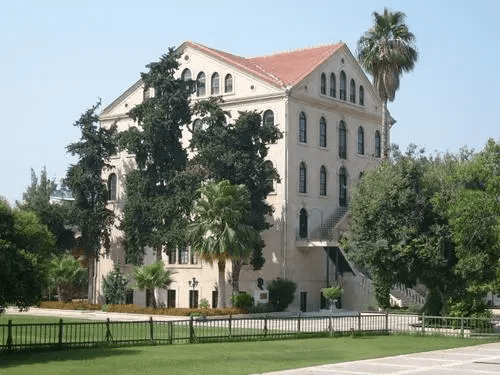
Ertesi gün okulda buluştuk hepsi ile tekrar. Tarsus Koleji’nin simgesi olan Stickler binası hariç, bütün eski binalar değişikliğe uğratılmış ve yeni yeni binalar yapılmış okulda. Bizim zamanımıza kıyasla okul kat kat büyümüş olsa da, futbol, voleybol ve basketbol sahalarımız bahçeden kaldırılmış olsa da, orada hiç yabancılık çekmedik. Zira eski dostlarımız olan çam ağaçlarının birçoğu hala yaşıyorlardı ve teker teker bize “hoş geldiniz” dediler. İhzari (hazırlık) sınıfının önünden geçerken hepimiz onbir-oniki yaşlarımıza döndük. Mrs.Maynard’lar, Mrs. Stone’lar “Gud morning gentlemen” dediler bize bir kez daha… Şimdi müzik odası olan Coğrafya odamızın önünde kameraya poz verirken Rahmetli Omar Ağa’nın sesi geliyordu içeriden. Kopya çekerken yakaladığı ağabeylerimizden birisine bağırıyordu; “Döbrenme Tineezzz!”
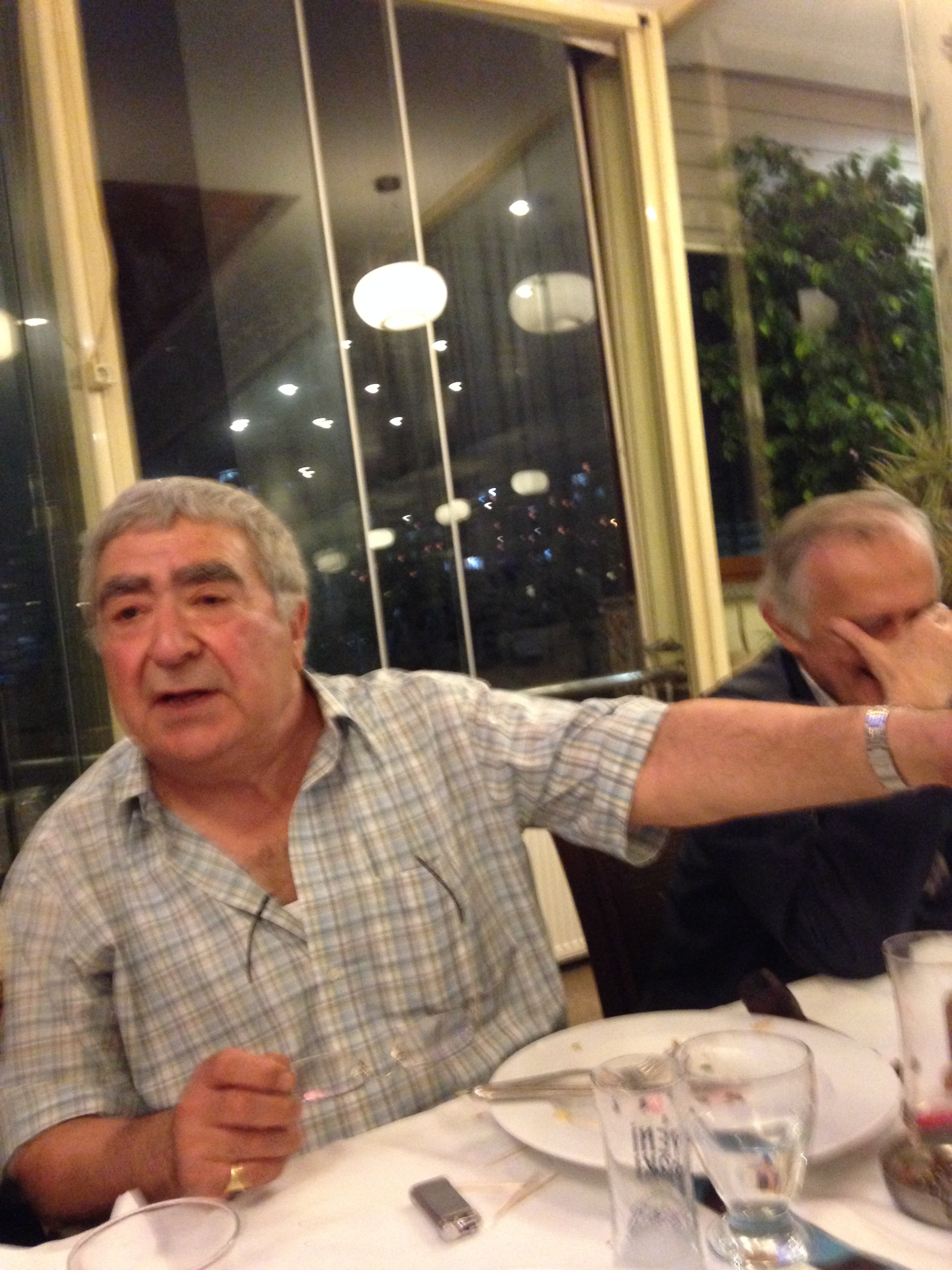
Şimdi yerinde yeller esen kütüphanemizin önünde dikilip aramızdan ayrılan arkadaşlarımızı, mezuniyetten sonra izi kaybolanları , Homecoming etkinliğini duyup da gelemeyen arkadaşlarımızı anarken mavi bir MZ marka motorsiklet geçti yanımızdan. Müdür Muavini ve de tarihçi İbrahim Akış yine bahçeyi turluyordu yeni motorsikleti ile. “Çok görmeyin çocuklar, gençliğimde sahip olamadım böyle bir şeye, şimdi acısını çıkartıyorum” demişti ya, biz de hoş görmüştük ya, demek hala motoruna doyamamış olmalı ki okulun bahçesindeki sonsuz turuna devam ediyordu.
Artık modern bir tiyatro salonu haline dönüştürülmüş olan Assembly Hall’a plaket töreni için girdiğimizde gayri ihtiyari olarak gözlerim tahta sandalyelerimizi aradı, burnum boyasız tahtalarla döşeli sahnenin o eski tozlu kokusunu arzuladı. Üstelik, okul bitirme sınavlarının yapıldığı o koskocaman salon küçülmüş ufacık olmuştu (ya da biz büyümüştük, veya her ikisi de olmuştu)!
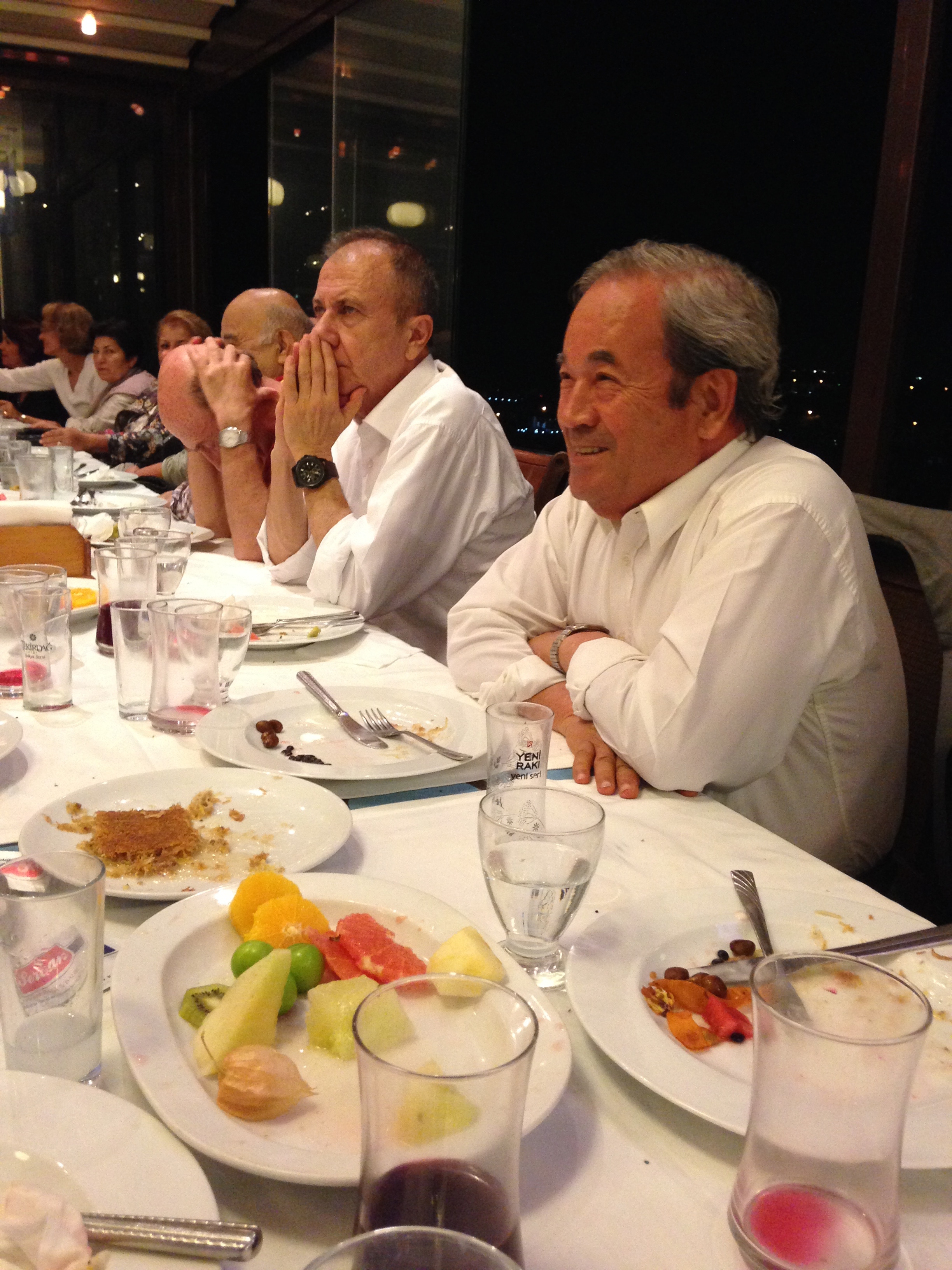
Altı yıl aynı sınıfları paylaştığım arkadaşlarım Haydar Hoca’nın elinden ellinci yıl mezuniyet plaketlerini almak için sahneye dizildiğinde içimde bir burukluk hissettim. Ben de o an bu sevgili arkadaşlarımın arasında olabilirdim. Ne vardı o yıllarda voleybol’a o kadar zaman ayırıp dersleri ikinci plana atacak? Çukurova Spor Kulübü, derken Hanedan Spor, sonra Adana Karması, derken Genç Milli Takım…. (Ki bu sonuncusuna devam edecek pek zaman da bulamadım zaten). Bir sene kaybettikten sonra aklım başıma gelmişti ve son iki sene Ömer Bey’e “Yahu Adil, bunca yıl sen nerelerdeydin” dedirtecek kadar derslerden iyi notlar almış (ihtiyaç duymadığımdan dolayı kullanmadığım) “Dr. Cyrill Has” bursuna layık görülmüştüm.
Ama ne çare? Zamanı geriye döndüremiyorsun ki! Neyse, yine de şimdi hababam sınıfına taş çıkartacak arkadaşlarımın yanındaydım ve gururla onların fotoğrafını çekmek bana nasip olmuştu, daha ne olsundu ki!
Tören sonrası sahneden inmeden “Bombalaki” çekmesi istenildi bizim ihtiyar delikanlılardan. Önce hiç alışık olmadığımız “bom-bom-bom”la başladılar, sonra bombalaki ile devam ettiler ama cılız ve detone seslerle… Sahnenin önünde olan ben bile duyamadım seslerini. Yavuz dayanamadı “Arkadaşlar, dedi, biz eski bombalakimizi çekelim, ne bu böyle bom, bom, bom?” O an ben dahil herkes aynı şeyi düşünüyor olmalıymışız ki rahatladık ve bir canlılık geldi üzerimize.
Okulda geçirilen her sene için ayrı bir kişilikle, yani sahnedeki her bir kişi yedi-sekiz kişi olarak, onsekiz kişi değil de yüzlerce ses olarak sahneyi doldurmuştu artık… O an görünmeseler bile, o eski bombalakiyi çeken ağabeylerimizin de hepsi o sahneye çıkmıştı şimdi. Koskoca bir gençlik sahnedeydi, bir ruhlar topluluğu sahnedeydi… Sahne zaten taşıyamazdı bu kadar yükü. Taştık okulun bahçesine, taştık tüm Tarsus’a, taştık tüm Türkiye’ye, taştık tüm dünyaya! Salon çınladı, salon sarsıldı, salon yıkıldı bu defa:
BOMBALAKİ, BOMBALAKİ, BOM BOM BOM.
TARSUS, TARSUS ZIM ZIM ZIM.
KOLEJ, KOLEJ, KOLEJ !
Adil Karcı, 21 Mayıs 2014
Where did Mr. Kerry get the 97% figure? Perhaps from his boss, President Obama, who tweeted on May 16 that “Ninety-seven percent of scientists agree: #climate change is real, man-made and dangerous.” Or maybe from NASA, which posted (in more measured language) on its website, “Ninety-seven percent of climate scientists agree that climate-warming trends over the past century are very likely due to human activities.”
Yet the assertion that 97% of scientists believe that climate change is a man-made, urgent problem is a fiction. The so-called consensus comes from a handful of surveys and abstract-counting exercises that have been contradicted by more reliable research.
One frequently cited source for the consensus is a 2004 opinion essaypublished in Science magazine by Naomi Oreskes, a science historian now at Harvard. She claimed to have examined abstracts of 928 articles published in scientific journals between 1993 and 2003, and found that 75% supported the view that human activities are responsible for most of the observed warming over the previous 50 years while none directly dissented.
Ms. Oreskes’s definition of consensus covered “man-made” but left out “dangerous”—and scores of articles by prominent scientists such as Richard Lindzen, John Christy, Sherwood Idso and Patrick Michaels, who question the consensus, were excluded. The methodology is also flawed. A study published earlier this year inNature noted that abstracts of academic papers often contain claims that aren’t substantiated in the papers.
Getty Images/Imagezoo
Another widely cited source for the consensus view is a 2009 article in “Eos, Transactions American Geophysical Union” by Maggie Kendall Zimmerman, a student at the University of Illinois, and her master’s thesis adviser Peter Doran. It reported the results of a two-question online survey of selected scientists. Mr. Doran and Ms. Zimmerman claimed “97 percent of climate scientists agree” that global temperatures have risen and that humans are a significant contributing factor.
The survey’s questions don’t reveal much of interest. Most scientists who are skeptical of catastrophic global warming nevertheless would answer “yes” to both questions. The survey was silent on whether the human impact is large enough to constitute a problem. Nor did it include solar scientists, space scientists, cosmologists, physicists, meteorologists or astronomers, who are the scientists most likely to be aware of natural causes of climate change.
The “97 percent” figure in the Zimmerman/Doran survey represents the views of only 79 respondents who listed climate science as an area of expertise and said they published more than half of their recent peer-reviewed papers on climate change. Seventy-nine scientists—of the 3,146 who responded to the survey—does not a consensus make.
In 2010, William R. Love Anderegg, then a student at Stanford University, used Google Scholar to identify the views of the most prolific writers on climate change. His findings were published in Proceedings of the National Academies of Sciences. Mr. Love Anderegg found that 97% to 98% of the 200 most prolific writers on climate change believe “anthropogenic greenhouse gases have been responsible for ‘most’ of the ‘unequivocal’ warming.” There was no mention of how dangerous this climate change might be; and, of course, 200 researchers out of the thousands who have contributed to the climate science debate is not evidence of consensus.
In 2013, John Cook, an Australia-based blogger, and some of his friends reviewed abstracts of peer-reviewed papers published from 1991 to 2011. Mr. Cook reported that 97% of those who stated a position explicitly or implicitly suggest that human activity is responsible for some warming. His findings were published in Environmental Research Letters.
Mr. Cook’s work was quickly debunked. In Science and Education in August 2013, for example, David R. Legates (a professor of geography at the University of Delaware and former director of its Center for Climatic Research) and three coauthors reviewed the same papers as did Mr. Cook and found “only 41 papers—0.3 percent of all 11,944 abstracts or 1.0 percent of the 4,014 expressing an opinion, and not 97.1 percent—had been found to endorse” the claim that human activity is causing most of the current warming. Elsewhere, climate scientists including Craig Idso, Nicola Scafetta, Nir J. Shaviv and Nils- Axel Morner, whose research questions the alleged consensus, protested that Mr. Cook ignored or misrepresented their work.
Rigorous international surveys conducted by German scientists Dennis Bray and Hans von Storch —most recently published inEnvironmental Science & Policy in 2010—have found that most climate scientists disagree with the consensus on key issues such as the reliability of climate data and computer models. They do not believe that climate processes such as cloud formation and precipitation are sufficiently understood to predict future climate change.
Surveys of meteorologists repeatedly find a majority oppose the alleged consensus. Only 39.5% of 1,854 American Meteorological Society members who responded to a survey in 2012 said man-made global warming is dangerous.
Finally, the U.N.’s Intergovernmental Panel on Climate Change—which claims to speak for more than 2,500 scientists—is probably the most frequently cited source for the consensus. Its latest report claims that “human interference with the climate system is occurring, and climate change poses risks for human and natural systems.” Yet relatively few have either written on or reviewed research having to do with the key question: How much of the temperature increase and other climate changes observed in the 20th century was caused by man-made greenhouse-gas emissions? The IPCC lists only 41 authors and editors of the relevant chapter of the Fifth Assessment Report addressing “anthropogenic and natural radiative forcing.”
Of the various petitions on global warming circulated for signatures by scientists, the one by the Petition Project, a group of physicists and physical chemists based in La Jolla, Calif., has by far the most signatures—more than 31,000 (more than 9,000 with a Ph.D.). It was most recently published in 2009, and most signers were added or reaffirmed since 2007. The petition states that “there is no convincing scientific evidence that human release of . . . carbon dioxide, methane, or other greenhouse gases is causing or will, in the foreseeable future, cause catastrophic heating of the Earth’s atmosphere and disruption of the Earth’s climate.”
We could go on, but the larger point is plain. There is no basis for the claim that 97% of scientists believe that man-made climate change is a dangerous problem.
Mr. Bast is president of the Heartland Institute. Dr. Spencer is a principal research scientist for the University of Alabama in Huntsville and the U.S. Science Team Leader for the Advanced Microwave Scanning Radiometer on NASA’s Aqua satellite.
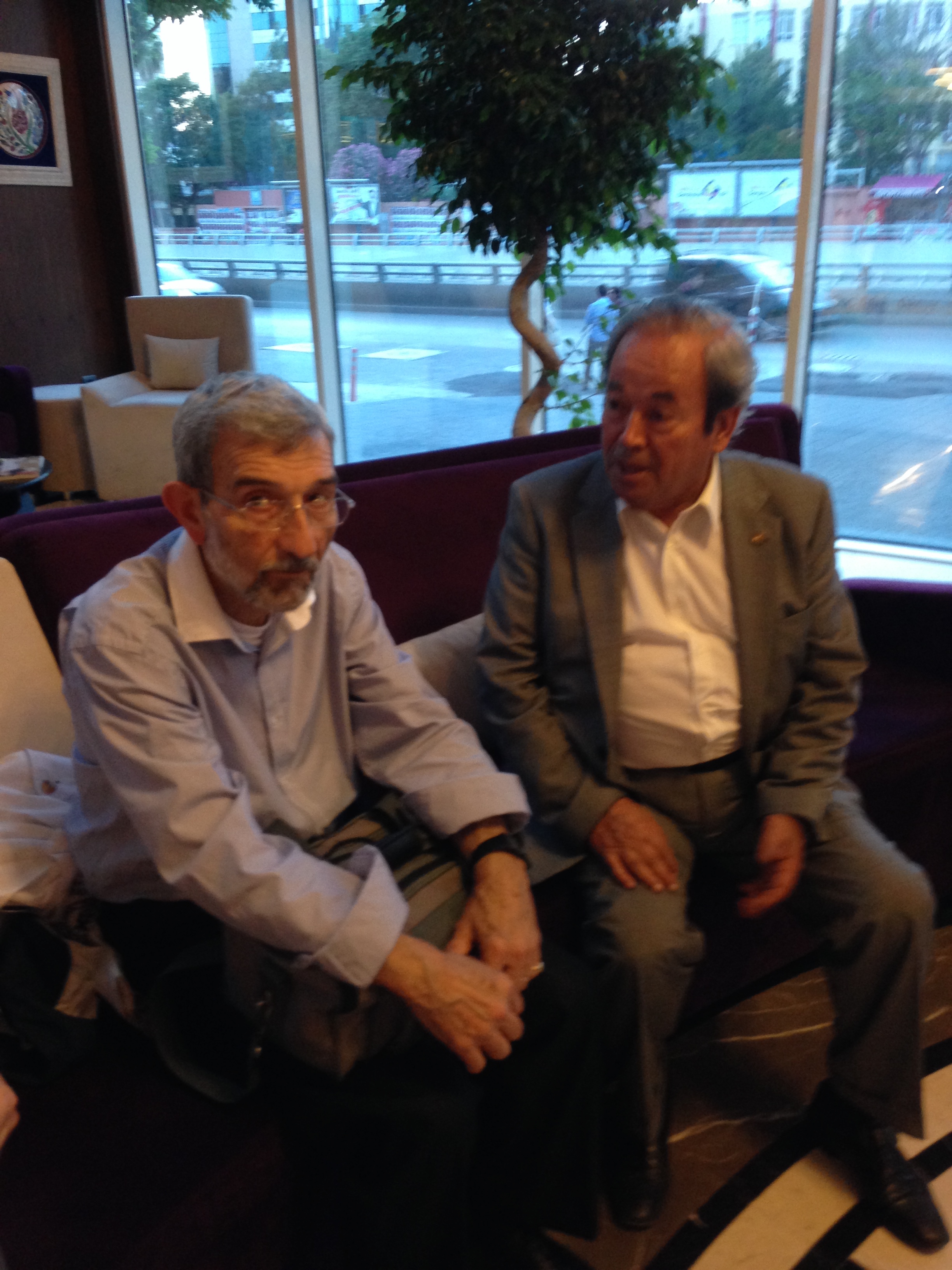
NECATI DEDEOGLU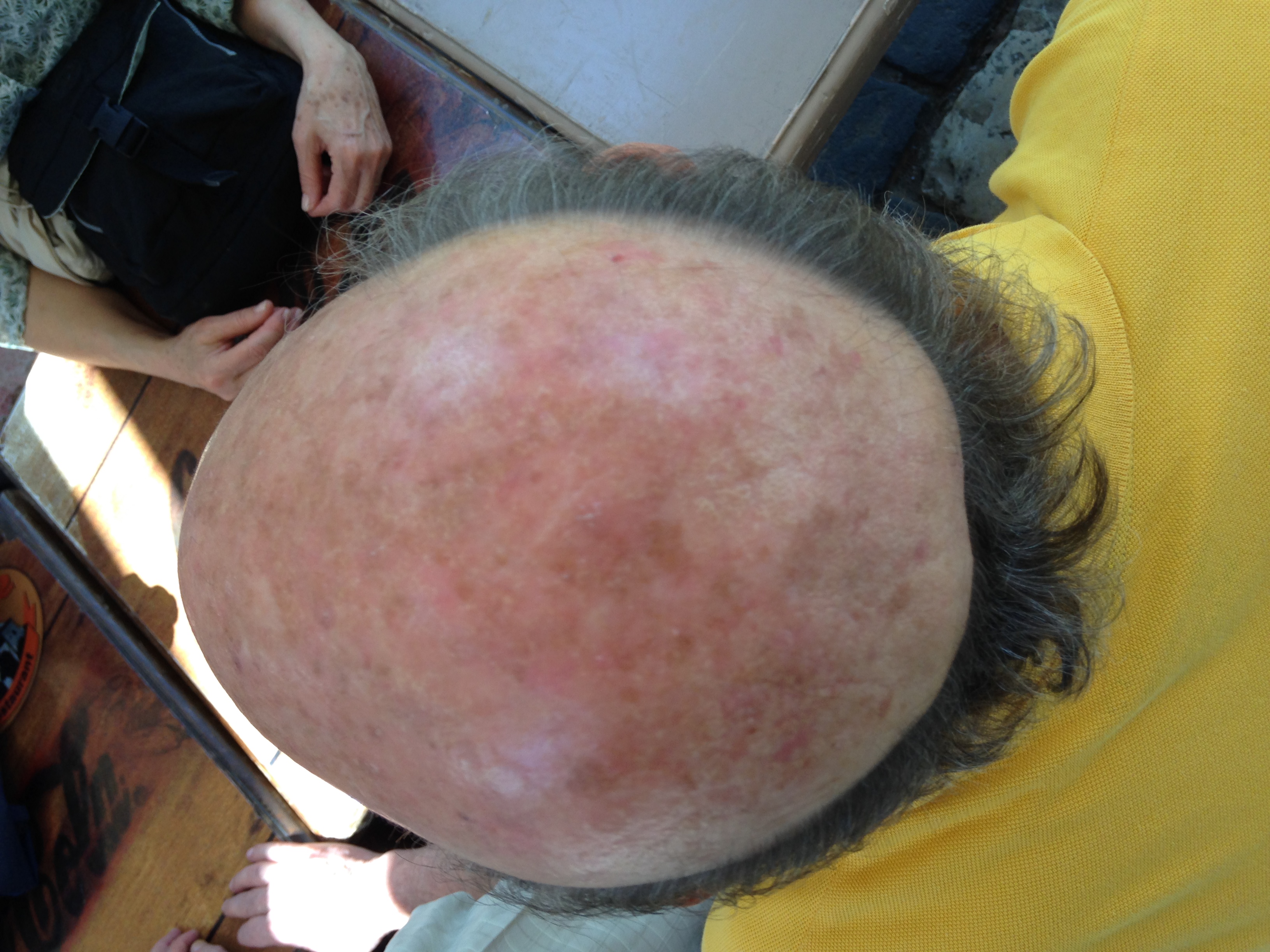
ADIL KERCI
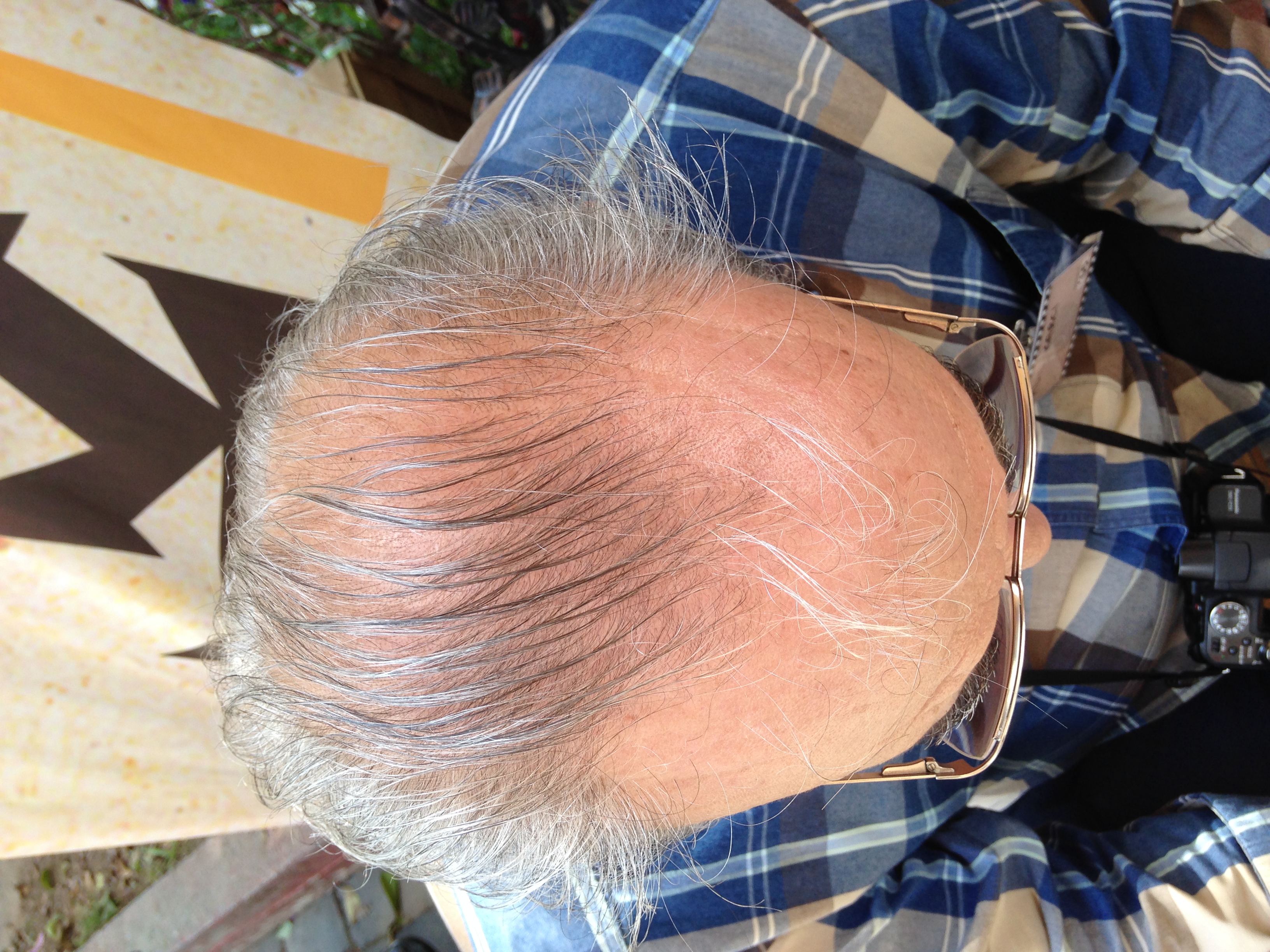
MUAMMER ARIKAN
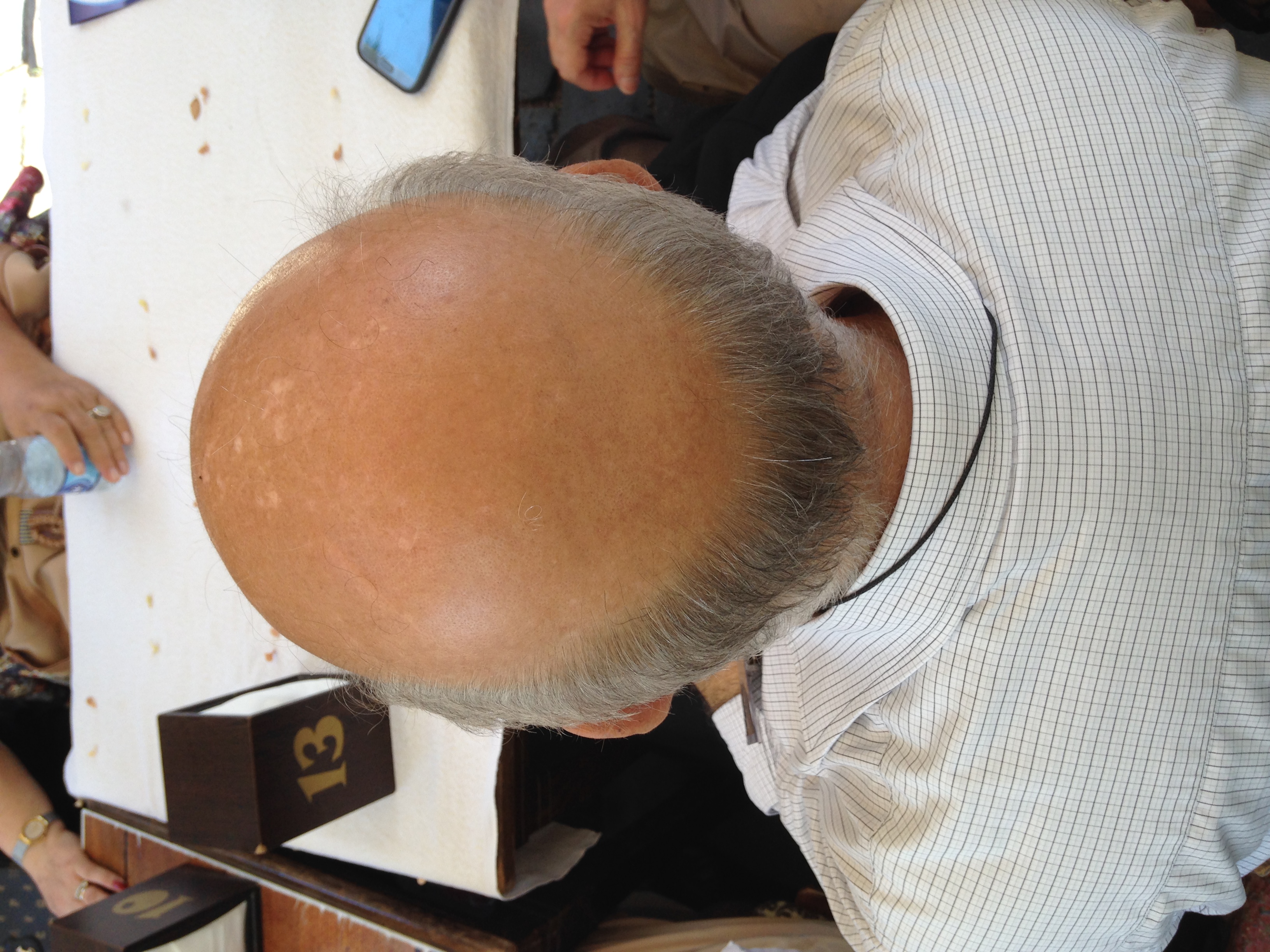
YAVUZ ALTAY

TURHAN KAYASU
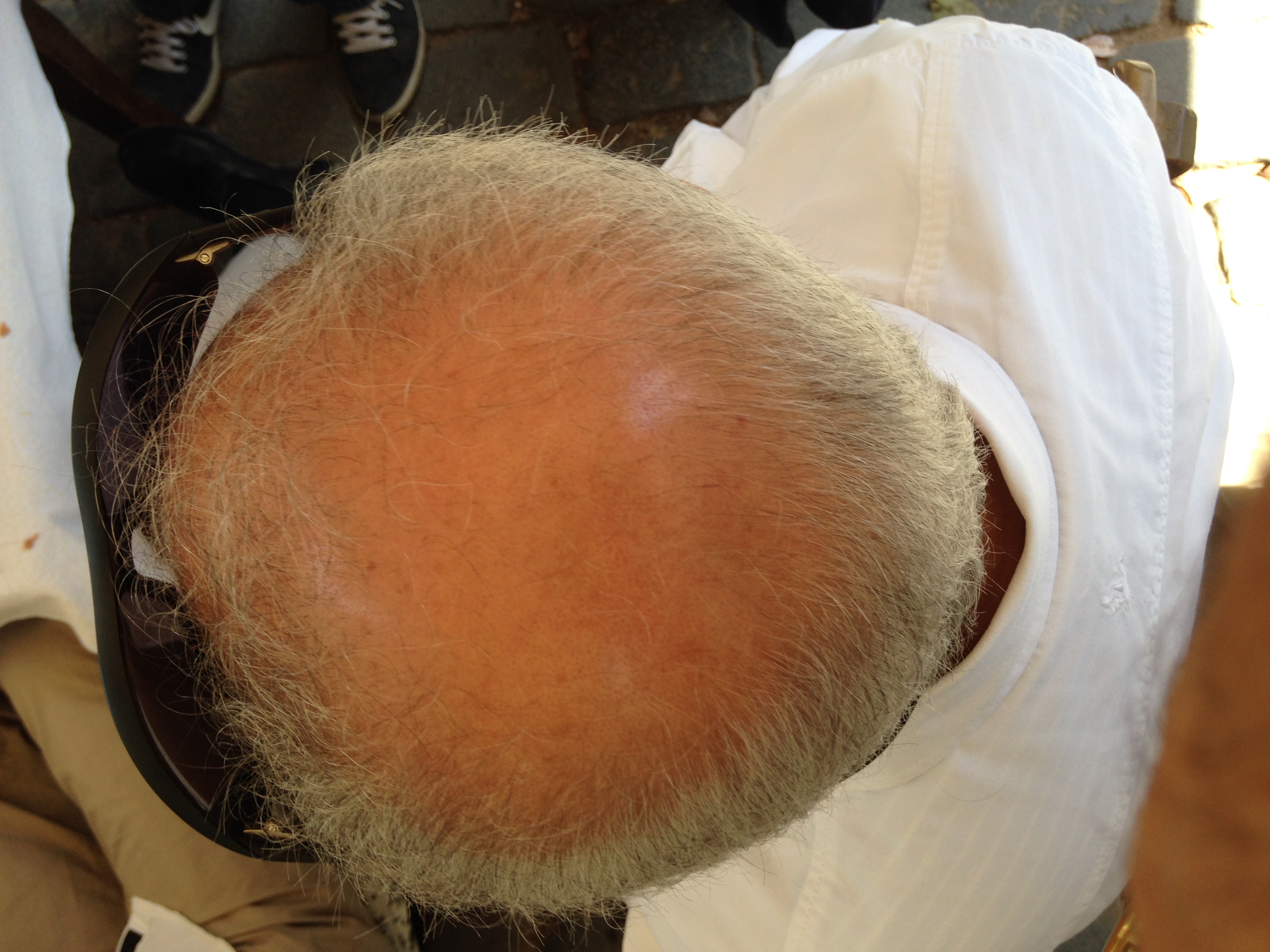
ATES AYKUT

TOLGA EROGAN

TIMUR SUMER

SERIF BOYACI




Ultimately, it will not matter if people in government cynically promote the theory that human activity is destroying the global climate as a means of taking control of your life, or if they take control of your life because they sincerely believe human activity is destroying the global climate.
Either way, government will control your life.
The National Climate Assessment the Obama administration released this week describes in Sisyphean terms the task government faces in limiting carbon dioxide emissions, which the assessment says make up 84 percent of the greenhouse gas emissions it holds guilty of artificially warming our planet.
“Of the carbon dioxide emitted from human activities in a year, about half is removed from the atmosphere by natural processes within a century, but around 20 percent continues to circulate and to effect atmospheric concentrations for thousands of years,” says the report. “Stabilizing or reducing atmospheric carbon dioxide concentrations, therefore, require very deep reductions in future emissions — ultimately approaching zero — to compensate for past emissions that are still circulating in the Earth system.”
How would government start down the road to achieving zero carbon dioxide emissions from human activities?
“The two dominant production sectors responsible for these emissions are electric power generation (coal and gas) and transportation (petroleum),” says the assessment.
“Over the period 1963-2008,” says the assessment, “annual U.S. carbon dioxide emissions slightly more than doubled, because growth in emissions potential attributable to increases in population and GDP per person outweighed reductions contributed by lowered energy and carbon intensity and changes in economic structure.”
In sum, America had too many people enjoying too much wealth while traveling too freely and using too much electricity.
Some jerk with a wife, three kids and a station wagon went on too many long drives back in 1965, recklessly spitting carbon dioxide into the atmosphere, some of which will still be there long after Barack Obama has surrendered the Oval Office.
Worse, each of the station wagon drivers’ three kids now own an air-conditioned home with a two-car garage, housing a minivan and an SUV.
At a United Nations conference in Mexico in 2010, the Obama Administration pledged to cut U.S. greenhouse gas emissions to 17 percent less than what they were in 2005. That, however, would get the United States nowhere near zero — let alone where we were in 1965.
And, even if the U.S. government prohibited Americans from emitting a single burp of CO2, what would it matter if China and India and Indonesia and Pakistan continued to grow their own economies and populations and concomitant emissions?
Hurricanes would whip Florida, tornadoes would torment Kansas, and the sea level would threaten low-lying areas of New York and New Jersey — as Americans huddled in their hot, humid hovels — because environmentally insensitive peoples in Shanghai and Islamabad were still buying new cars and turning up their air-conditioning.
White House science adviser John P. Holdren — who, along with National Oceanic and Atmospheric Administration Administrator Kathryn Sullivan, released the administration’s climate assessment — has been thinking about problems like this for decades.
Forty-one years ago, he published “Human Ecology: Problems and Solution,” co-authored with Paul and Anne Ehrlich, who had written “The Population Bomb.”
“Environmental degradation is not the sum of independent causes, it is the multiplicative product of interconnected ones,” Holdren and the Ehrlichs wrote. “The relation can be written as a mathematical equation: total environmental damage equals population, times the level of material affluence per person, times the environmental damage done by the technology we use to supply each bit of affluence.”
“Halting population growth must be done, but that alone would not be enough,” they wrote. “Stabilizing or reducing the per capita consumption of resources in the United States is necessary, but not sufficient. Attempts to reduce technology’s impact on the environment are essential, but ultimately will be futile if population and affluence grow unchecked.”
“Clearly,” they said, “if there is to be any chance of success, simultaneous attacks must be mounted on all components of the problem.”
“A massive campaign must be launched to restore a high-quality environment in North America and to de-develop the United States,” they concluded.
“The need for de-development presents our economists with a major challenge,” they said. “They must design a stable, low-consumption economy in which there is a much more equitable distribution of wealth than in the present one. Redistribution of wealth both within and among nations is absolutely essential, if a decent life is to be provided for every human being.”
Two decades later, in an essay published by the World Bank, Holdren, Ehrlich and Gretchen Daily of Stanford University, reiterated this analysis. “We know for certain, for example,” they wrote, ” No form of material growth (including population growth), is sustainable.”
“This is enough,” they said, “to say quite a lot about what needs to be faced up to eventually (a world of zero net physical growth), what should be done now (change unsustainable practices, reduce excessive material consumption, slow down population growth), and what the penalty will be for postponing attention to population limitation (lower well-being per person).”
In a nation where government can de-develop the economy, stop population growth and redistribute wealth both inside and outside its borders, there will still be droughts, floods and hot summer nights.
But there will be no freedom.
KÜRDİSTAN DA NEYMİŞ GEMİCİKLER GİTMESİN DE
EXPLAINING OUR UNITED STATES TAXING SYSTEM WITH BEER
Suppose that every day, ten men go out for beer and the
bill for all ten comes to $100.
If they paid their bill the way we pay our taxes, it would
go something like this:
The first four men (the poorest) would pay nothing.
The fifth would pay $1.
The six would pay $3.
The seventh would pay $7.
The eighth would pay $12.
The ninth would pay $18.
The tenth man (the richest) would pay $59.
So, that’s what they decided to do.
The ten men drank in the bar every day and seemed quite
happy with the arrangement, until one day,
the owner threw them a curve. ‘Since you are all such
good customers,’ he said, ‘I’m going to
reduce the cost of your daily beers by $20. Drinks for the
ten now cost just $80.’
The group still wanted to pay their bill the way we pay our
taxes so the first four men were
unaffected.
They would still drink for free. But what about the other
six men – the paying customers? How
could they divide the $20 windfall so that everyone would
get his ‘fair share?’ They realized that
$20 divided by six is $3.33. But if they subtracted that
from everybody’s share, then the fifth man
and the sixth man would each end up being paid to drink
his beer.
So, the bar owner suggested that it would be fair to reduce
each man’s bill by roughly the same
amount, and he proceeded to work out the amounts each
should pay. And so:
The fifth man, like the first four, now paid nothing (100%
savings).
The sixth now paid $2 instead of $3 (33%savings).
The seventh now pay $5 instead of $7 (28%savings).
The eighth now paid $9 instead of $12 (25% savings).
The ninth now paid $14 instead of $18 (22% savings).
The tenth now paid $49 instead of $59 (16% savings).
Each of the six was better off than before and the first
four continued to drink for free, but once
outside the restaurant, the men began to compare their
savings. ‘I only got a dollar out of the
$20,’ declared the sixth man. He pointed to the tenth
man, ‘but he got $10!’
‘Yeah, that’s right,’ exclaimed the fifth man. ‘I only saved a dollar, too. It’s unfair that he got
TEN times more than I!’
‘That’s true!!’ shouted the seventh man.
‘Why should he get $10 back when I got
only two? The wealthy get all the breaks!’
‘Wait a minute,’ yelled the first four men in
unison ‘We didn’t get anything at all. The system
exploits the poor!’
The nine men surrounded the tenth and beat him up.
The next night the tenth man didn’t show up for drinks,
so the nine sat down and had beers without him. But when it came time to pay the bill, they discovered something very
important….they didn’t have enough money between all of them for even half of the bill!
And that, boys and girls, journalists and college
professors, is how our tax system works.
The people who pay the highest taxes get the most benefit
from a tax reduction.
Tax them too much, attack them for being wealthy, and they just may not show up anymore. In fact, they might star drinking overseas where the atmosphere is somewhat friendlier.
David R. Kamerschen, Ph.D.
Professor of Economics
University of Georgia
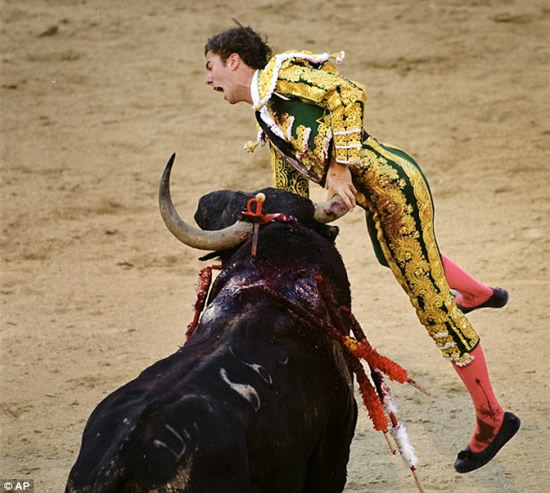
“Coj0nes”
A man travels to Spain and goes to a Madrid
restaurant for a late dinner. He orders the house
special and he is brought a plate with potatoes,
corn, and two large meaty objects.
“What’s this?” he asks.
“Coj0nes, senor,” the waiter replies.
“What are coj0nes?” the man asks.
“Coj0nes,” the waiter explains, “are the testicles
of the bull who lost at the arena this afternoon.”
At first the man is disgusted, but being the
adventurous type, he decides to try this local
delicacy. To his amazement, it is quite delicious.
In fact, it is so good that he decides to come
back again the next night and order it again.
This time, the waiter brings out the plate, but
the meaty objects are much smaller.
“What’s this?” he asks the waiter.
“Coj0nes, senor,” the waiter replies.
“No, no,” the man objects. “I had coj0nes yesterday
and they were much bigger than these.”
“Senor,” the waiter explains, “the bull does not lose
every time.”

 Timur Sümer
You must be logged in to post a comment.