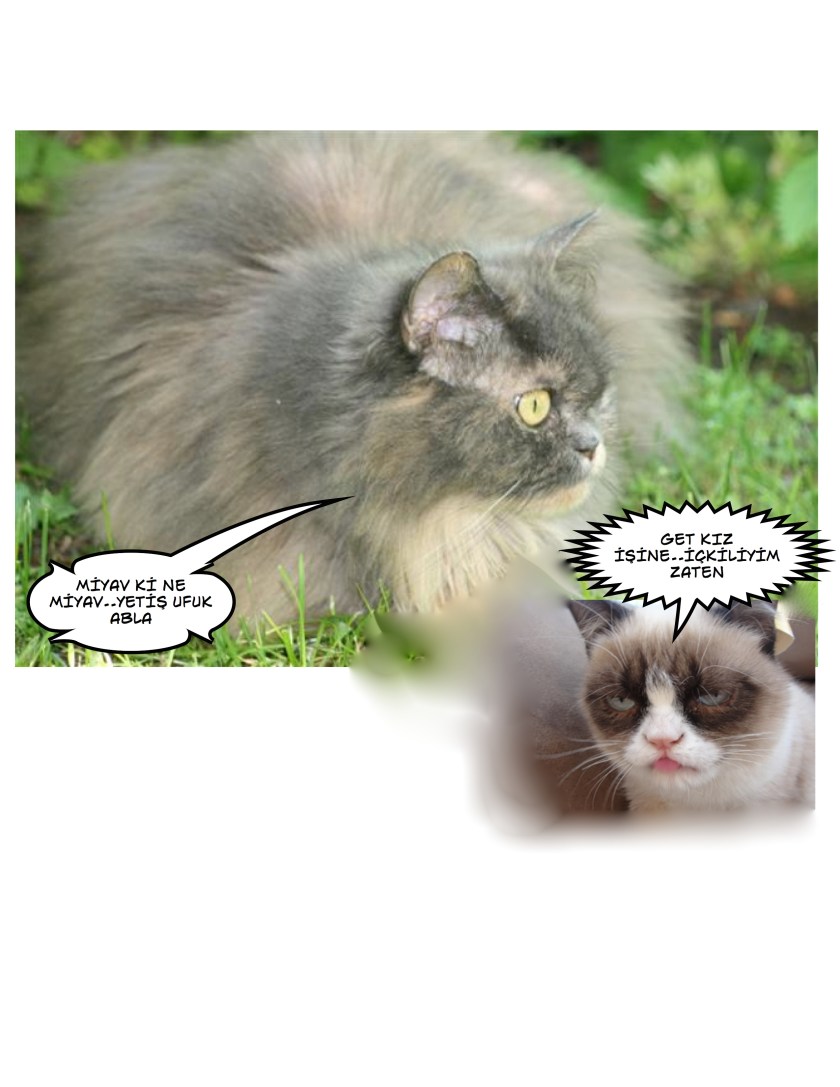
UFUK’UN KEDİSİ VE BELALISI

TABAKHANEYE BOK YETİŞTİRİRKEN



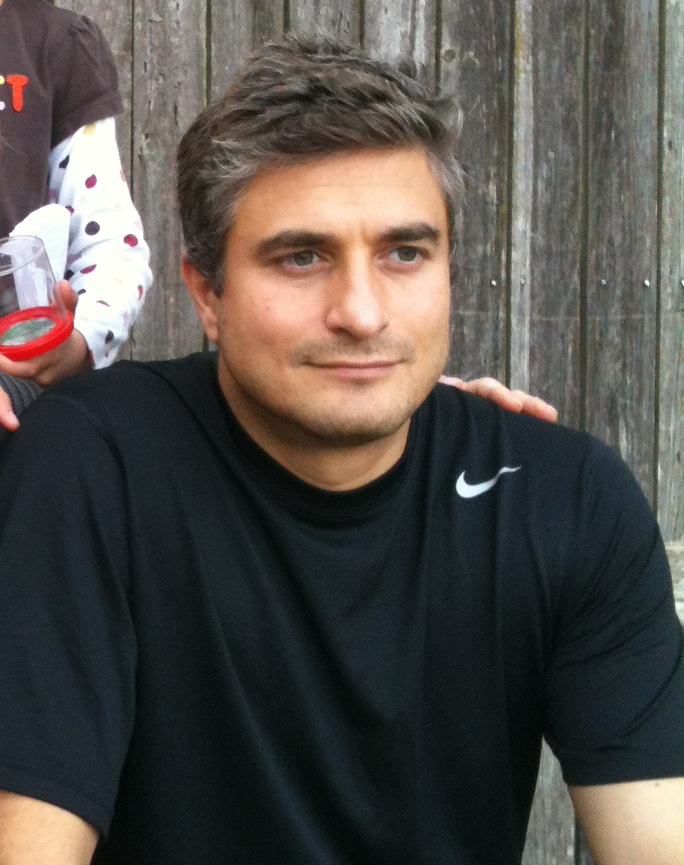

DALLAS – April 3, 2014 – Stephen Wiley, a lifelong cowboy from Terrell, has helped UT Southwestern Medical Center pioneer a new treatment for vocal cord cancer. Mr. Wiley volunteered to be the world’s first known patient to be treated for vocal cord cancer with CyberKnife, a physician-controlled robotic device that destroys tumors with highly precise doses of radiation.
Mr. Wiley, a yard driver for a manufacturing company who also raises horses on his own time, said he started waking up in the morning with a hoarse voice and thought it was nothing more than aging. It got continually worse, until one day he was reduced to a whisper.
“We have to talk on the radio constantly and whenever my voice went away, it was a safety issue,” said Mr. Wiley, 59.
Doctors found tumors in both his vocal cords, and referred him to UT Southwestern, where he met with Dr. Larry Myers, Associate Professor of Otolaryngology.
“Dr. Myers said, ‘Well, we’ve been looking for someone like yourself for a research project that’s never been done before.’ I said, ‘Heck, if it works and it’s going to help other people, I’m willing to go for it,’ ” Mr. Wiley recalled. “It has worked out great. People here at work say, ‘Your voice is back to normal.’”
Six doctors had to unanimously agree that Mr. Wiley was a good candidate for the procedure, which he said gave him confidence that the Cyberknife trial was right for him. The $7 million CyberKnife, built by the California-based company Accuray, has a small linear particle accelerator and a robotic arm that allows it to treat tumors on any part of the body with radiation, explained his surgeon, Dr. Baran Sumer, Associate Professor of Otolaryngology. There are no records from the maker or in medical literature of the robotic device previously being used to treat vocal cord cancer.
UT Southwestern doctors’ success with treating Mr. Wiley yielded important information that UT Southwestern physicians are already using to make treatment shorter for other people with vocal cord tumors, said Dr. Sumer, also a member of the Harold C. Simmons Comprehensive Cancer Center, the only National Cancer Institute-designated cancer center in North Texas.
Only about 200 of these cutting-edge machines exist in the world, most of them in the United States. Dr. Susie Chen, Assistant Professor of Radiation Oncology, oversaw Mr. Wiley’s treatments and said the unique resources, expertise, and collaborative atmosphere at UT Southwestern aligned perfectly to break new ground in cancer treatment and find the right solution for Mr. Wiley.
“We’re in a very unique situation at UT Southwestern where we have the tools to do it. It takes a lot of collaboration between the surgeons and the radiation doctors to actually get that done. The technology just hasn’t been there until recently,” she said.
Patients must be as still as possible for the CyberKnife treatment to be precise, but vocal cords move when people breathe and swallow, presenting a challenge in using the precision robot. Dr. Sumer injected tiny bits of gold into Mr. Wiley’s neck for the CyberKnife to track so the robotic arm could adjust to even the slightest movements. Mr. Wiley’s head also was covered with a mesh mask that held him snug and still.
“With the CyberKnife, it’s real time. When something moves, it’s actually moving. We adjust to the movement,” Dr. Chen said. “The whole time you’re getting treated, there are little x-rays that are being done that allow the machine to lock on to these little gold markers that are placed near the vocal cords. It’s just like you’re a fighter pilot, and you lock on to a target.”
Mr. Wiley completed his 15 treatments at St. Paul University Hospital. “With the CyberKnife, I never lost my voice and never lost any weight. It’s great and I feel great,” he said.
Three other UT Southwestern patients have since had CyberKnife treatment on vocal cord tumors, and Dr. Chen said they have been able to reduce the number of treatments each time as more is learned about the CyberKnife’s effectiveness on vocal cord tumors.
“What we’ve done is taken a treatment that takes five and a half weeks, and we’re decreasing it,” Dr. Chen said. “The true goal of this study is to maintain excellent cure rates while decreasing the time of radiation and side effects. That’s the biggest thing – ease for the patient.”
The Harold C. Simmons Comprehensive Cancer Centerbrings innovative cancer care to the region, while fostering groundbreaking basic research that has the potential to improve patient care and prevention of cancer worldwide.
About UT Southwestern Medical Center
UT Southwestern, one of the premier academic medical centers in the nation, integrates pioneering biomedical research with exceptional clinical care and education. The institution’s faculty includes many distinguished members, including five who have been awarded Nobel Prizes since 1985. Numbering more than 2,700, the faculty is responsible for groundbreaking medical advances and is committed to translating science-driven research quickly to new clinical treatments. UT Southwestern physicians provide medical care in 40 specialties to nearly 91,000 hospitalized patients and oversee more than 2 million outpatient visits a year.
BİR ANJİYO ACEMİSİNİN HATIRALARI
Angelina adında hiçbir kimseyle karşılaşmamış olmama rağmen, “Anjiyo” kelimesi bana hep “Angelina” ismini çağrıştırmıştır. Neyse ki, son yıllarda “Anjelina Jolie” diye bir hatun piyasa çıktı da belleğimdeki bu soyut isme somut bir karşılık bulabilmiş oldum.
Herkes anjiyo olabilirdi ama ben olmazdım, zira ben “iyi kalpli” idim, kalbim sağlamdı yani. Kimsenin bana “damarı tuttu” diyemeyeceği kadar da sakin birisi sayılırdım ve bu nedenle damarlarımın da iyi olduğundan hiç şüphem yoktu. (Benim sakinliğim el bombasının piminin çekilmemiş hali gibidir aslında ya, neyse). Kısacası herkes hasta olur, anjiyo vs. olur ama ben olmazdım, zira yıllardır boşuna mı yüzmüştüm, top oynamıştım? Boşuna mı haftada üç gün sabahın köründe yayan yapıldak yollara düşüpyürümüştüm spor olsun diye? Sigarayı bile “günde bir adet” ortalamasının üzerine çıkartmamıştım ömür boyu.
Birkaç gün önce bir sabah yine grup olarak yaptığımız yedi kilometrelik sabah yürüyüşünün henüz başındayken akciğerlerimde bir yanma hissettim. Biraz sonra da göğsümde giderek artan bir ağrı belirdi ve de kollarımda uyuşma başladı. “Ulan aman, olmaz-olamaz derken kalp krizi ile karşılaşıyor olmayaydım?” Arkadaşlara;
– Beyler, tempoyu düşürelim biraz, dedim.
Yüzüme tuhaf tuhaf baktılar, zira yıllardır onlardan hızlı tempoda yürümelerini isteyen bendim ve şimdi ilk defa yavaşlamalarını istiyordum. Durumumu kısaca anlatınca hemen geriye dönmeyi, hastaneye gitmeyi filan teklif ettiler bana. Yiğitliğe bir şey sürmemek için “yok, gerek yok, şimdi geçer” dedim ve yürüyüşü zar zor tamamladım.
Eve döndükten sonra bu olayı duyan ortanca damat özel bir hastanede çalışan ve branşının gerçek uzmanı olarak ün yapmış bir “Prof” dan randevu almış. Aile efradımın ısrarı ile, ama hala “ben iyiyim boş yere doktora gidiyoruz” diye düşünerek, öğlenden sonra vardık hastaneye. Muayeneyi bitiren doktor;
– “Altmış sekiz yaşına gelmişsiniz ama hiç anjiyo olmamışsınız, size bir anjiyo yapsak çok iyi olur. Zira, EKG’ye bakarsak çok sağlıklısınız ama anlattığınız ağrı şekli beni şüpheye düşürdü. Ne dersiniz?
– Ne zaman yaparsınız?
– Öğlen çok fazla yemek yememişseniz, akşam üzeri yaparız.
Doktor kararına boynumuz kıldan ince… zira doktor raporu ile mühendis kazığı değiştirilemez! Yardımcı bayan beni güzel manzaralı bir odaya çıkarttı. Odanın keyfini tam çıkartmaya başlamıştım ki bir oğlan daldı içeriye, elinde bir pilli traş makinası.
– Bacaklarınızı traş edeceğim efendim.
– Oğlum sen yanlış odaya geldin herhalde, ben cinsiyet filan değiştirmiyorum, anjiyo olacam anjiyo, annadın mı?
– Biliyorum efendim onun için geldim zaten. Hem ondan sonra hemen şu kıyafetlerinizi de değiştirseniz iyi olur, doktor her an sizi isteyebilir.
Daha önce bir bayan hemşirenin (niye “bayan hemşire” dediğimi sonra anlatacağım) yatağın üzerine bıraktığı şeylere bir göz attım; idamlık tipi arkadan cırtcırtlı bir mavi önlük ve de tanga benzeri bir alt giysi. (Spor yaparken taktığımız suspansuarın ta kendisi).
– Bu ne oğlum, bunu da mı giyeceğiz?
– Evet efendim.
Bacak kılları tıraşı… tanga gibi bir don… Bu işin sonu nereye varacaktı acaba, iyice kıllanmaya başlamıştım.
– Siz karyolanıza yatın, öyle götüreceğiz sizi, dedi, içeriye dalan iki hastabakıcı.
– Yahu sapasağlamım, yürüsem?
Anladım ki orada şartları ben koyamıyordum. Sonuçta doktora teslimdim, operasyon başlamıştı ve gözlerim ekrandaydı. Nasıl olsa “bir şeyiniz yok, iki saat sonra taburcusunuz” diyeceklerdi, eh biraz katlanmak gerekti bu sıkıntıya. Ama öyle olmadı, birilerini çağırdı doktor, bitişikteki camlı odaya gittiler, ekranlara filan baktılar sonra yanıma geldi;
– Kalbinizi besleyen damarlardan birisi %90 tıkalı. Stent takacağız, ne dersiniz?
Hoppalaaa! Bu hiç de hesapta yoktu. Ne diyebilirdim ki? “Bakın benim teşhisime göre…” diye başlayıp bir iki tıbbi terim kullanarak espri yapacak kadar bile bilgim yoktu bu konuda. Sadece “takın gitsin” diyebildim. Bu operasyonun, yüzde bir ihtimalle de olsa, açık kalp ameliyatına dönüşmesi ve hatta ölümle sonuçlanabilmesi bile ihtimal dahilindeymiş meğerse.
Bir çeyrek saat daha bu sıkıntıya katlandıktan sonra “Geçmiş olsun”lar eşliğinde gönderdiler beni yoğun bakım odasına. Ortada ciddi bir durum varmış demek ki. Neredeyse öbür tarafa yolcuymuşuz da haberimiz yokmuş be!
Beni yatırdıkları yer yoğun bakım ünitesinin içinde camlı bir bölme ile diğer dört yataktan ayrılmış tek kişilik bir odaydı ve solumda dışarıya bakan büyük bir penceresi vardı. Manzara da o kadar güzeldi ki, kur pencerenin önüne çilingir sofrasını, kırlara, bayırlara, ağaçlara çiçeklere baka baka demlen… Eh tabii, kollarına bağlı bir sürü cihazdan kurtulabilirsen!
Koğuş şeklindeki diğer bölümde bulunan dört yatağın ikisi boştu, diğerlerine de iki kadın hasta yatırmışlardı. Bonelerinden dışarıya taşan kırçıl saçları nedeni ile kadınların yaşlarının ellinin üzerine olduğunu tahmin etmem zor olmadı. İçimden onlara şifalar diledim.
Yatmakta oldukları bölmeye doğru bakarak bayanları rahatsız etmek istemediğimden, solumdaki pencereden dışarıyı seyretmekten başka yapabileceğim bir şey kalmıyordu. Bazen ağaçları sayarak, bazen bulutları bir şeylere benzeterek, bazen havadaki kuşları (güya) beyin gücümle etkilemeye çalışarak vakit geçirmeye çalışıyordum. Hep açık durumda olan sürgülü camlı kapıdan gülerek, kıkırdayarak dört tane genç kız daldı odama. Bazılarının inancına göre “cennette erkeklere verilecek yetmiş iki huri”yi hatırlayarak, “Ahaa, gidicisin olum, yetmiş iki hurinin dört tanesini avans olarak gönderdiler işte!” diye düşünmekten kendimi alıkoyamadım. Ama dur hele yahu, hem ben bu safsataya inanmam, hem gerçek bile olsa, benim böyle bir beklentim hiç olmadığı gibi bu taraklarda bezi olan birisi de değilim. İstemeyene niye huri versinlerdi ki? Meğer nöbet değişen stajyer hemşirelermiş! Yanlarına mavi kıyafetli bir oğlan geldi, kızlardan bir tanesi bana yapılan uygulamalarla ilgili bilgileri ona aktardı, sonra kızların hepsi “geçmiş olsun amca” deyip gittiler. Eh, kızlar “huri ise” bu oğlan da olsa olsa “Nuri” dir diyerek;
– Nuri, su içmem hala yasak mı? dedim.
– Benim adım Baki amcacığım ve size bakmakla yükümlü hemşireyim.
İstediğiniz kadar da su verebilirim ve de zaten çok su içmeniz gerekecek.
– Yahu hemşirenin erkeği olur mu be oğlum?
– Evet, artık öyle.
“Su” dedikçe verdi, “su” dedikçe dayadı bardak bardak… Eeee? Bu kadar su nereye gidecek? Benim bölmemin dışındaki masada oturmakta olan “Baki hemşire”yi çağırdım ve içimde biriken sıvıları nasıl tahliye edebileceğimi sordum, zira doktorun atardamara giriş yaptığı yerdeki bacak damarlarımın içerisinde bir alet bırakmışlar, kımıldarsam kırılabilir ve tehlikeli olabilirmiş. Çarmıha gerilmiş İsa gibi yatacakmışım yani.
– Ya ördek veririz veya devamlı drenaj sağlayacak (bilmem ne) aparatı takarız oranıza. Ama ayağa kalkmak yok!
Böylesine nahoş bir iş için kullanılan kaba “ördek” denildiği için o güzelim ördekler adına hicap duydum ama “orama-burama bir başkasının bir şeyler takması” düşüncesi de hiç mi hiç hoşuma gitmedi. Neyse ki ördek benim hatırladığım gibi değilmiş artık, tek kullanımlık işlevsel bir şey olmuş. İyi de, sağ kolumda devamlı takılı bir tansiyon aleti, sol elimin üzerine saplanmış bir serum, başımı kaldırmam bile yasak, nasıl becereceğim bu işi? Ben bu konuyu Baki ile tartışırken genç bir hemşire kız dalmaz mı içeriye?
– Biz yardımcı oluruz amca sen merak etme, dedi yeni gelen.
– Zaten ihtiyacım yok şimdi, olursa söylerim dedim, utanıp sıkılarak.
Ulan ben bu işi erkek hemşire yardımı ile yapmayı kabullenemezken, başıma şimdi de bir kız çıktı iyi mi? Çatlar ölürüm bundan iyi valla! Neyse, sonuçta benim bölümden çıkıp hasta kadınların yattığı koğuşa geçtiler.
Alkol nasıl şişede durmaz ise, içilen su da vücutta durmuyor işte. Basınç arttıkça artıyor, ben ise hala pencereden dışarısını seyrederek bu “sıvı tahliyesi” kabusunu kafamdan atmaya çalışıyorum. Küçük damadımın kardeşinin o hastanenin muhasebe müdürü olması nedeni ile olsa gerek, mesaisi bitip de eve gidecek olan tanıdık tanımadık bir sürü doktor odama gelip bana geçmiş olsun dileklerini sunmaya başladılar. Bu kadar doktorun yanıma gelmesi diğer bölümde yatan iki kadının da dikkatini çekmiş olmalı ki, ikisi de yatak arkalıklarını dik duruma getirip yataklarında oturdular ve gözlerini bana diktiler. Allah bilir hakkımda ne düşünüyorlardı? Ya “zengin-kodaman”, ya “meşhur bir politikacı”, ya “eski artist” veya “mafia babası” filan diyorlardı mutlaka. Bu ziyaretlerden sıkılmıştım ama bir şey diyemiyordum, neticede gelenlerin hepsi de doktordu ve yoğun bakım ünitesine girebilirlerdi. Karşımdaki hasta kadınlara “yok be bacım, valla ben de sizin gibi sıradan bir adem oğluyum” demek isterdim ama bunu onlara duyurabilmem için bir megafon kullanmam lazımdı.
Artık yatağa kaçıracak raddeye gelmiştim neredeyse, ki bu benim için daha da vahim bir durum demekti. Giden gelen doktorları gördükçe bana olan saygısal yaklaşımı daha da artan Baki hemşireye seslenmek zorunda kaldım sonuçta. Baki’nin yerine otuz iki dişini göstererek sırıtan, at kuyruklu Müge hemşire belirdi kapıda.
– Emret amcacım benim!
– Baki nerede?
– Akşam yemeğine indi. Az sonra gelir. Bana söyleyin ne istiyorsanız…
– Yok, Baki gelir gelmez bana gönder.
– Tabii ki.
Bekle bekle Baki gelmez. Dış bölümdeki masada oturan Müge hemşire sıkıntımın farkına varmış olmalı ki cep telefonu ile Baki’yi aradı. Az sonra odama giren Baki bana “Hızır Aleyisselam” gibi göründü o an. Kurtarıcım gelmişti sonunda!
Karşıdaki kadınlar gözlerini bana dikmiş hala öyle bakıyorlardı. Neyse ki odamın cam bölmesini içeriden kapatacak boydan boya bir perde vardı. “Kapat şu perdeyi ve bana hemen bir ördek getir” dedim basınçtan artık nefes almakta zorluk çekerek ve boğuk bir sesle. Baki ördek getirmeye giderken Müge hemşireden perdemi kapatmasını istedi. Kız odaya girdi, baş ucu tarafımda toplanmış perdeyi tuttu, önce yarıya kadar çekti, sonra kapıya kadar tamamen kapatacaktı ki… (ne olduğunu yattığım yerden benim görmeme imkan olmayan silindirik bir cisme basmış olsa gerek) ayağı kaydı ve bir çığlık atarak elindeki perde ile birlikte yere düştü. Bizim perde tavandaki kornişle olan resmi nikahına son vermiş, Müge hemşire ile nişanlanmış ve şimdi yerde sarmaş dolaş olmuşlardı. Bu defa değil otuz iki, bir tek dişi bile görünmeyen kız ağlamaklı bir halde yerden kalktı “merak etmeyin hemen hallederiz” gibilerde bir şeyler söyleyerek dışarı koştu. Baki ise kapıya dikilmiş, elindeki ördekle şaşkın şaşkın bana bakıyordu.
– Ne diyor lan bu? Neyi halledecek? Perde yok artık, yenisini mi getirip takacak? Kaç saati bulur lan bu tamirat?
Çocukcağız acil bir çare bulma telaşı içerisinde kem-küm ederken “Mafia babası” havasına girmenin tam zamanı olduğuna karar vermiş olarak,
– Bana bak, bir dakikaya kadar buraya Saddam bantı getireceksin, yoksa gerisini sen düşün diye kükredim.
İlk körfez harekatında, Saddam’ın İncirlik Hava Üssüne Scud füzesi atacağı söylentisi yayılmış ve insanlar (olası bir zehirli gaz saldırısına karşı) ek tedbir olarak pencerelerini hava geçirmeyen naylonla kaplamayı düşünmüşler, naylonu da pencerelere koli bantı kullanarak yapıştırmışlardı. Odur budur koli bantı Adana’da “Saddam bantı” olarak bilinir. İnsanımızın kıvrak ve espri dolu zekası işte…
– Yoğun bakımı hemşiresiz bırakıp gidemem, nöbetçi doktordan telefonla yardım istesem? Hem sonra Saddam bantı nedir, yanlış bir şey gelmesin?
– Bana bak! Ya hemen fırlar sen getirirsin ya da ben yapacağımı bilirim! Daha Saddam bantının ne olduğunu bilmiyorsun, kalkmış hemşirelik yapıyorsun, Allahın cahili!
Muhtemelen “Belanın feriştahına çattık” diye düşünen oğlan fırladı gitti ve hakikaten bir dakika içerisinde elinde bir koli bantı ile geldi. Bir elinde iplik, diğerinde çuvaldız yavrusu bir iğne ile perde halkalarını tamire hazırlanan Müge hemşireye de bağırdım:
– Kız! Bırak o elindekileri de getir o perdeyi çabuk!
Kasıklarımdaki basınçtan artık dayanamaz durumda gelmişim, şakaklarımdan şırıl şırıl terler akıyor…
– Önce şu kapıyı kapatın. Sonra o perdeyi dışarıdan cama yapıştırın. Bak yarım dakikada yaptınız yaptınız, yapamazsanız sonucuna katlanırsınız!
Bu koşuşturma ve bağırışma koğuşta yatan iki kadının daha da fazla merakını cezbetmiş olmalı ki, sürekli izlemek bir yana, ayağa kalkabilseler neredeyse odama kadar gelecekler! Neyse, tehditlerim işe yaramış olmalı ki, eciş bücüş de olsa, hemşireler perdeyi cama yapıştırdılar. Nihayet odada yalnız kalabilmiştim, perdem de kapalıydı artık. Ördeği kullanarak rahatlamaya başladım ama içimde yeni bir korku; ya bant sökülür de perde yine pat diye yere inerse! Genelde hep korktuğum başıma gelmiştir ama neyse ki bir sakatlık olmadı bu defa.
Ohh be, dünya varmış da benim haberim yokmuş! Hemen neşem yerine geldi bittabi. Benim hemşireler, Baki ve Müge, perdeyi sökmek için korka korka izin istediler, izin verdim. Kadın hastalar da olayı anlamış olmalılar ki, yatak sırtlıklarını düzleştirip yatmışlar ve yüzlerini de duvardan yana çevirmişlerdi.
Artık yoğun bakımdaki işkencem sona ermiş, beni odama götürmelerinin zamanı gelmişti. Baki hemşire yanıma geldi;
– Amca, perdeyi asmayı geciktirseydik, hakikaten ne yapacaktın bize? Gülümsedim,
– Size bir şey yapmayacaktım ama yatağa yapacaktım!
Şu an aradan üç gün geçmiş durumda. Sağ bacağımdan başlayan ve giderek yayılan bir morluk vücudumu kaplıyor. Sizin anlayacağınız, yavaş yavaş kuzguni siyah bir zenciye dönüşmekteyim. 50. yıl kutlamaları için Tarsus’ta buluştuğumuzda “bu zenci de nereden çıktı?” demeyin, bilin ki o benim işte!
12 Nisan 2014 – Adana


FILE – This Jan. 31, 2010, file image released by Miami Dade College shows Dr. Salomon Melgen, posing for a photo at the book signing of “Growing American Roots”, a book by Sen. Robert Menendez, D-N.J., at the college in Miami. Topping Medicare’s list of highest paid physicians from it’s claims database was Florida ophthalmologist Salomon Melgen, whose relationship with Sen. Robert Menendez, D-N.J., made headlines last year after news broke that the lawmaker used the doctor’s personal jet for trips to the Dominican Republic. Medicare paid Melgen $20.8 million. (AP Photo/Miami Dade College, Phil Roche, File)
MIAMI — Two Florida doctors who received the nation’s highest Medicare reimbursements in 2012 are both major contributors to Democratic Party causes, and they have turned to the political system in recent years to defend themselves against suspicions that they may have submitted fraudulent or excessive charges to the federal government.
The pattern of large Medicare payments and six-figure political donations shows up among several of the doctors whose payment records were released for the first time this week by the Department of Health and Human Services. For years, the department refused to make the data public, and finally did so only after being sued by The Wall Street Journal.
Topping the list is Dr. Salomon E. Melgen, 59, an ophthalmologist from North Palm Beach, Fla., who received $21 million in Medicare reimbursements in 2012 alone. The doctor billed a bulk of his reimbursements for Lucentis, a medication used to treat macular degeneration made by a company that pays generous rebates to its doctors.
Dr. Melgen’s firm donated more than $700,000 to Majority PAC, a super PAC run by former aides to the Senate majority leader, Harry Reid, Democrat of Nevada. The super PAC then spent $600,000 to help re-elect Senator Robert Menendez, Democrat of New Jersey, who is a close friend of Dr. Melgen’s. Last year, Mr. Menendez himself became a target of investigation after the senator intervened on behalf of Dr. Melgen with federal officials and took flights on his private jet.
Another physician, Dr. Asad Qamar, an interventional cardiologist in Ocala, Fla., has sent at least $250,000 in donations over the last decade to the political campaigns of President Obama and other prominent Democrats; he has become the target of scrutiny related to cardiovascular treatment centers he runs in Central Florida.
Dr. Qamar was paid more than $18 million in 2012, making him and Dr. Melgen by far the largest payment recipients nationwide, according to the data. A pathologist from New Jersey received the third largest Medicare reimbursement, $12.6 million.
In an interview on Wednesday, Dr. Qamar said any questions about his Medicare bills were unjustified.
“Just looking at the sheer volume of work and billings from a single physician is not a sign of wrongdoing,” Dr. Qamar said, noting that his practice handles cardiac procedures in its outpatient clinics that would be done inside a hospital in many other states, which he said explained the large billable amounts.
The state of Florida was home to many of the physicians who received the largest payments, 28 out of the top 100. California, with a much larger population, was second, with 10 of the top 100.
Doctors in Florida have been frequent targets of Medicare fraud investigations, based on irregular patterns of bills or extremely high bills.
Just last month, two Florida medical clinic owners were sentenced on charges of Medicare fraud, both in cases involving more than $20 million in fraudulent payments. In addition, the Halifax Hospital Medical Center in Daytona Beach, Fla., agreed to pay the government $85 million to resolve allegations that it had billed Medicare for care based on referrals from doctors who had a financial relationship with the institution, a forbidden practice.
Dr. Melgen appeared on investigators’ radar when a Medicare contractor noticed that he, a single practitioner, was billing for Lucentis at a significantly higher rate than his peers, Justice Department lawyers wrote in response to a suit the doctor filed against the Health and Human Services Department.
Each vial of the medication comes with up to four times the amount that a patient requires. Investigators said the doctor was using one vial to treat three or four patients, and billing as if he had purchased a new vial each time. The doctor would be reimbursed $6,000 to $8,000 for a vial that cost him $2,000.
The investigation concluded that in 2007 and 2008 alone, he overbilled by $9 million, which he was forced to pay back.
The doctor, federal lawyers said, “seeks to game the system by seeking reimbursement of three to four times its actual costs.”
Dr. Melgen hired the former head of the Justice Department’s Medicare fraud task force,Kirk Ogrosky, to defend him. In a lawsuit that sought to recover the $9 million, Mr. Ogrosky argued that Dr. Melgen’s billing practice was not illegal and that even if the doctor had not spread the medication out, the government would not have saved any money.
As the dispute dragged on, the doctor reached out to his longtime friend, Mr. Menendez, for help. Mr. Menendez’s aides acknowledged that the senator called the Medicare director at the Center for Medicare and Medicaid Services in 2009 and brought it up at a meeting with the acting administrator in 2012. Now both Dr. Melgen and Mr. Menendez find themselves under federal scrutiny. F.B.I. agents have raided Dr. Melgen’s clinics twice.
“At all times, Dr. Melgen billed in conformity with Medicare rules,” Mr. Ogrosky said in a statement. “While the amounts in the CMS data release appear large, the vast majority reflect the cost of drugs. The facts are that doctors receive 6 percent above what they pay for drugs, the amount billed by physicians is set by law, and drug companies set the price of drugs, not doctors.”
He declined to discuss the doctor’s relationship with the senator or his campaign contributions.
Dr. Qamar and his Institute of Cardiovascular Excellence in Ocala, Fla., have for at least the last 16 months been subject to what is known as a “prepayment review,” he said on Wednesday. Medicare officials typically take this step, which requires a detailed examination of all Medicare bills before they authorize payment, after they have detected patterns that lead them to suspect there may have been inappropriate or excessive bills.
The money paid to Dr. Qamar in 2012 — $18.2 million — is much more than to any other cardiologist in the United States. The second-highest total is listed as $4.5 million, paid to Dr. Ashish Pal of Davenport, Fla.
Dr. Pal said in an interview on Wednesday that his billing was entirely appropriate and fair, although he acknowledged it was high because he has multiple cardiology-related specialties, and because he works in an outpatient setting and bills the government for facility fees.
Dr. Qamar said his payments were high because his practice, which has 150 employees and a caseload of 23,000 patients, routinely handles complicated procedures like opening blocked arteries in the legs of older patients, which normally would be billed by a hospital.
Dr. Qamar has sent more than $100,000 to the Democratic National Committee and other state-based branches of the Democratic Party around the United States, and has donated to President Obama’s presidential campaigns and groups with ties to Mr. Obama, federal records show. He has also made donations to congressional candidates — almost all of them Democrats — from Nevada, Pennsylvania, Indiana, Iowa and Florida, among other states, the records show.
At the same time some of those donations were being made, the prominent law and lobbying firm Greenberg Traurig — and a former Justice Department official and Capitol Hill aide from the firm named Gregory W. Kehoe — helped Mr. Qamar contact more than a dozen members of Congress asking them to help him address why he was subject to such intense scrutiny from Medicare auditors.
The political donations, Dr. Qamar said, are unrelated to the Medicare scrutiny, but he acknowledged he had reached out to lawmakers in Congress to persuade the federal government to back down.
“The auditors put an astronomical burden on us, in terms of manpower,” he said. “I would just hope there is some end to it.”
Both Dr. Qamar and Dr. Melgen are still certified to receive Medicare payments, although Dr. Melgen at one point was suspended from the Medicare program, which accounts for 70 percent of his practice. He has been reinstated. And an official at the Department of Health and Human Services declined to comment on either physician or to confirm that they were a subject of special scrutiny.
The New Jersey pathologist ranked third among doctors nationwide in terms of Medicare billing, Dr. Michael C. McGinnis, is the medical director of the Pathology Corporation of America in Wrightstown, N.J., which performs analytical work on medical specimens for other doctors, perhaps explaining his high ranking on the list. Dr. McGinnis could not be reached for comment.
Frances Robles reported from Miami, and Eric Lipton from Washington. Michael Strickland contributed research.
Correction: April 9, 2014, Wednesday
This article has been revised to reflect the following correction: An earlier version of this article misidentified a political action committee to which Dr. Salomon E. Melgen contributed more than $700,000. It was Majority PAC, a super PAC run by former aides to the Senate majority leader Harry Reid, not the political action committee of Senator Robert Menendez, a New Jersey Democrat.
This fact may surprise the casual campus observer, since almost every U.S. college these days seems to have an energy research institute. Most of these energy think-tanks, however, are run by academic advocates of theories about global warming and man-made climate change, most of whom view energy through green-colored lenses. The research focus is more on promoting the clean, sustainable, renewable, non-CO2-emitting energy of the future, as opposed to studying and analyzing the hydrocarbon resources of the here and now.
Chad Crowe
For some of these programs, the agenda is obvious and stated in bold print over the door. Names such as the Yale Climate & Energy Institute and the Princeton Center for Energy and the Environment make clear that the study of energy needs to be chaperoned and monitored. The labeling is less obvious for others, but the result is the same. Visit the websites of the neutrally named Cornell Energy Institute, Energy Initiative and Penn Center for Energy Innovation, and you would think you were looking at algore.com.
My alma mater, Columbia University, recently launched its own Center on Global Energy Policy, with the mission to “improve the quality of energy policy and energy dialogue through objective, balanced and understandable analysis.” The center is headed by Jason Bordoff, former senior director for energy and climate change on the staff of the National Security Council in the Obama administration, who is on record calling for carbon caps and immediate government action to drive down greenhouse-gas emissions. So much for balance.
With all of these research institutes, the messaging is consistent: Fossil-fuel energy is a problem to be solved, a challenge to be overcome, a sector that needs to be transformed and the relic of an industrial state from which to evolve. The policy prescriptions issued by these think-tanks are often presented as moral imperatives, which helps to cut down on the debate.
More troubling is how this ideological bias filters into the college curriculum, both through the content of introductory natural science courses required of all students and the choice of majors and specialty electives offered by technical undergraduate schools.
Based on survey data compiled by the National Association of Colleges and Employers, the top-paying undergraduate major in 2013 was petroleum engineering, with an average starting salary of $97,000. How many of the country’s top engineering schools offer such a major? Outside of Texas, Colorado and Oklahoma, not many. Often the closest approximation is a bachelor of science degree in Earth, Atmospheric and Planetary Sciences or the equivalent, with a handful of classes on petrology and geophysics safely outnumbered by myriad courses on environmental science, climatology, global-warming theory and alternate-energy sources.
The oil and gas industry has been historically volatile and marked by boom-and-bust cycles caused by fluctuating commodity prices, with company prospects often tied to hit-or-miss exploratory drilling. Not surprisingly, the industry has struggled with periodic brain drain since the 1980s as students looking for steady employment and career growth have been turned off by such uncertainty.
Technological advances such as seismic imaging, horizontal drilling and hydraulic fracturing—all developed by private companies—have removed much of this volatility and changed the nature of the industry to more of a manufacturing operation. But now another source of even greater uncertainty has been injected into the mix: political and regulatory risk. This is one energy lesson that undergraduates are hearing loud and clear from their professors.
How many college students have been discouraged from considering a field in petroleum engineering or traditional energy finance because of the rational concern that the current Environmental Protection Agency-led attack on coal will move next to target oil and gas? Conversely, how many recent undergraduates have been led down the green garden path toward a career in renewable energy, only to receive a hard-knock, real-life economics lesson in the commercial failures of solar, wind, ethanol, battery and fuel-cell technologies?
Obviously, having proponents of man-made-climate-change theory running energy-research institutes at the college level is an example of inmates taking over the asylum, but there is method to this madness. Over the past 25 years, the environmental movement has been very successful using a two-pronged approach to push its anti-fossil-fuel agenda.
The first prong involves leveraging the U.S. courts and executive agencies to directly control the oil and gas industry through government regulation and taxation. The second involves indirect control through thought leadership and opinion-shaping. Culturally and generationally, man-made climate change is becoming accepted wisdom due to the steady indoctrination taking place in our universities.
Mr. Tice works in investment management and is a former Wall Street energy-research analyst.


Associated Press
Absent, too, are claims such as the one made in 2005 that global warming would create 50 million “climate refugees” by 2010 (later pushed back to 2020). In its place, we have the refreshingly honest admission that “current alarmist predictions of massive flows of so-called ‘environmental refugees’ or ‘environmental migrants’ are not supported by past experiences of responses to droughts and extreme weather events and predictions for future migration flows are tentative at best.”
The report is also more cautious about temperature predictions. It acknowledges that the rate of warming between 1998 and 2012 “is smaller than the rate calculated since 1951,” and it predicts modest temperature increases through 2035 of between 1° and 1.5° Celsius. More importantly, it acknowledges that “the innate behavior of the climate system imposes limits on the ability to predict its evolution.”
All of this vindicates what we wrote about the 2007 report: “Beware claims that the science of global warming is settled.” It also suggests an IPCC toning down the end-is-nigh rhetoric that typified its past climate warnings: “Vulnerability is rarely due to a single cause.” In other words, humanity has lots of problems, climate change being one of them. And as with other problems, humanity will cope and adapt.
All good, which makes it even more of a pity that the authors venture from cautious climate science into the most politically correct forms of political science. “Existing gender inequalities are increased or heightened by climate-related hazards,” says the report, while dilating on the deleterious effects global warming has on “discrimination based on gender, age, race, class, caste, indigeneity, and (dis)ability.”
The IPCC also turns out to have an agenda that’s less about climate change than income inequality and redistribution. What else given the liberal fashions of the day? “Recognizing how inequality and marginalization perpetuate poverty is a prerequisite for climate-resilient development pathways,” the IPCC insists, before suggesting that the costs for “global adaptation” should run between $70 billion and $100 billion a year from now until 2050.
So adaptation funding needs to be “orders of magnitude greater than current investment levels, particularly in developing countries.” If one Solyndra wasn’t enough, try underwriting thousands of them. Preferably in third-world countries. For those who suspect that the purported threat of global warming is really a vehicle of convenience for reviving the discredited economics of the 1970s, this IPCC report will serve as Exhibit A.
Then again, if you believe that the risks of climate change are sufficiently plausible that we should at least be considering an insurance policy of sorts, then the IPCC’s policy recommendations could hardly be worse. The best environmental policy is economic growth. The richer you are, the more insurance you have. Wealth is what pays for robust safety standards and prevents sensible environmental regulations from being ignored or corrupted.
Yet the IPCC supports the very regulation, income redistribution and politically favored misallocation of resources that will make the world poorer—and less able to adapt if the climate threat proves to be as real as the U.N.’s computer models claim.
Too bad that lesson hasn’t sunk in at the IPCC, a body that has neither the remit nor the expertise to advise on economic policy. But after this report, we’ll at least treat its views on climate science with a bit more respect.
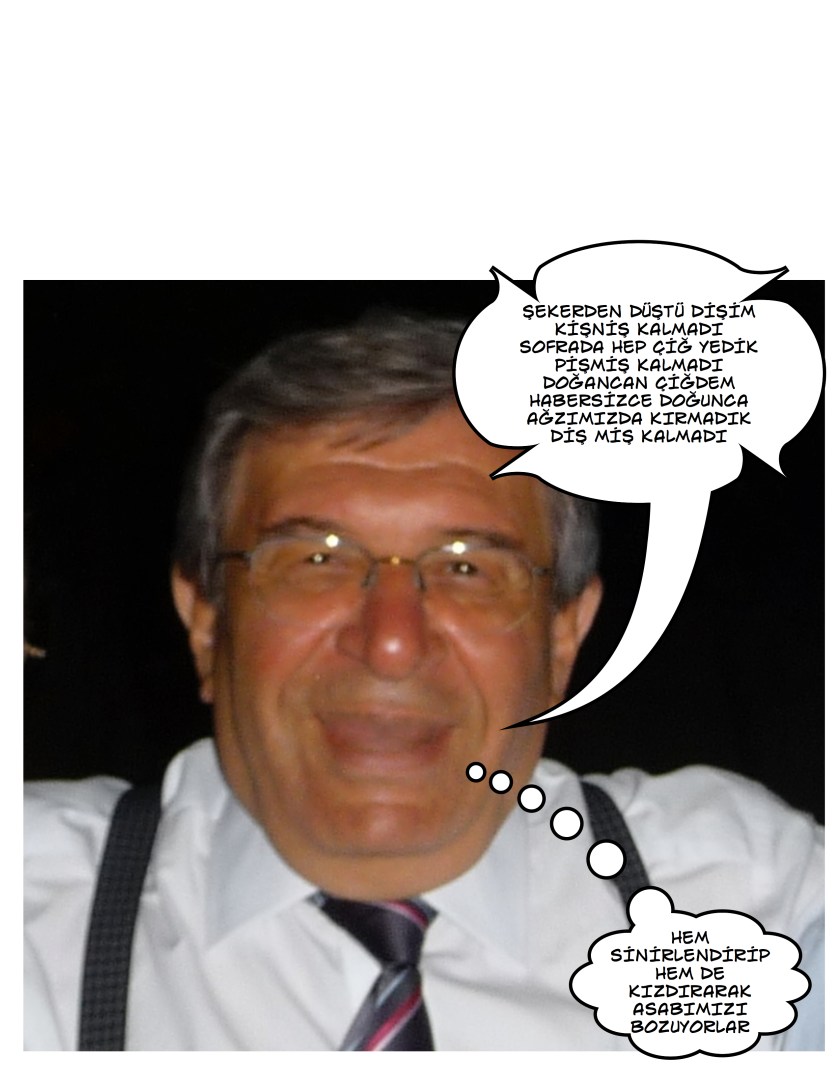

 Timur Sümer
You must be logged in to post a comment.